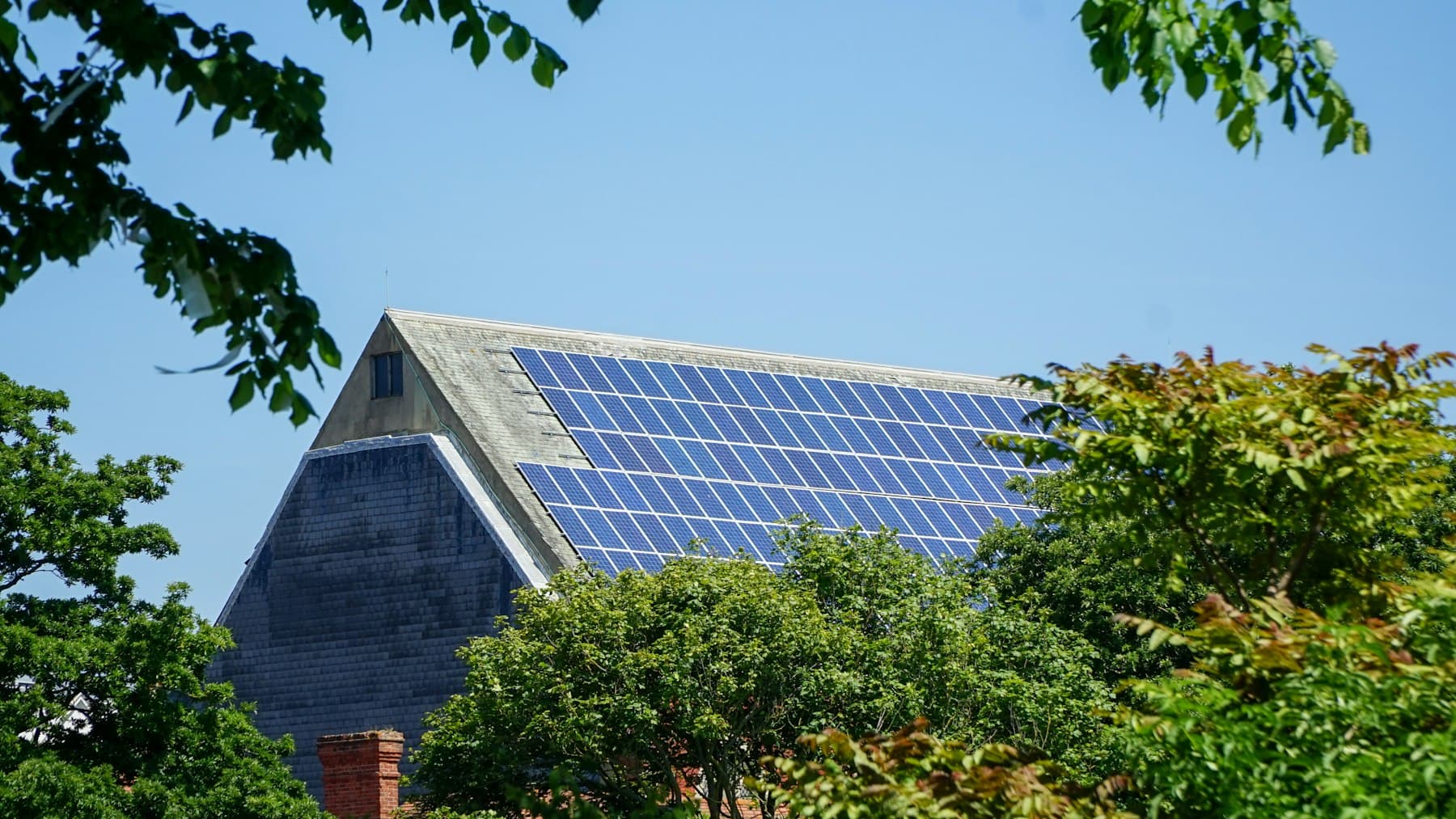
Residential Solar
Rooftop solar for households, sized around how your family actually uses power, with battery storage as an option.
Solar Water Heating
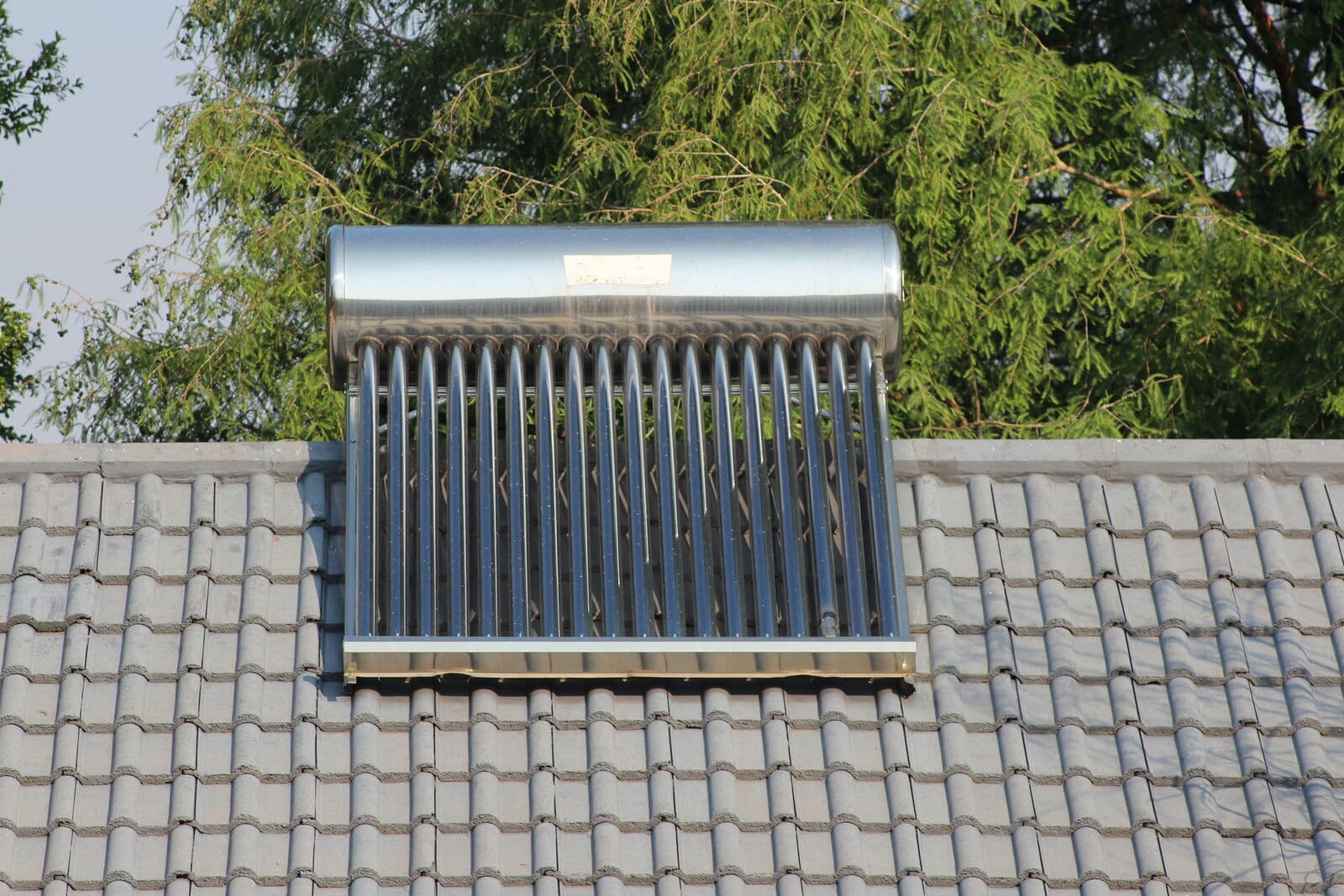
A solar water heater uses collectors on the roof to heat water directly, storing it in an insulated tank. It is a separate technology from solar panels and can reduce the electricity used for water heating.
How it works
Water heating is often one of the larger electricity uses in a home, especially where electric geysers or instant showers are used. A solar water heater captures heat from sunlight and transfers it to water stored in an insulated tank, ready for use.
Most systems include a backup heating element for extended cloudy periods. Performance depends on the collector type, orientation, how much hot water is used and when.
Evacuated tubes or flat plate collectors absorb heat from sunlight.
In thermosiphon systems, heated water rises naturally into the tank. Pumped systems use a small circulation pump.
An insulated tank keeps water hot for use later in the day and overnight.
An optional electric element can heat water when solar input is not enough.
Use cases
Households with regular morning and evening showers and an electric geyser.
Premises with high, predictable hot water demand.
Schools, clinics and staff quarters with shared bathing facilities.
Planning
Every recommendation follows a review of your energy use and a site assessment. These are the factors we look at.
A full tank is heavy. The roof structure must be able to support it, and collectors should face the sun with minimal shading.
Hard water can cause scale build-up. System type and maintenance should reflect local water quality.
Low-pressure and high-pressure systems suit different plumbing setups. Your existing pressure determines the right choice.
Periodic checks of valves, the anode (where fitted) and collectors help maintain performance.
FAQs
No. Solar water heaters heat water directly using thermal collectors. Solar panels generate electricity. They can be installed together but are separate systems.
Collectors still gather some heat on overcast days, but less. A backup element can make up the difference, using electricity when needed.
Typically a periodic inspection of valves and fittings, checking for leaks, cleaning collectors if dusty and, depending on water quality, descaling or replacing the anode.
Related
Rooftop solar for households, sized around how your family actually uses power, with battery storage as an option.
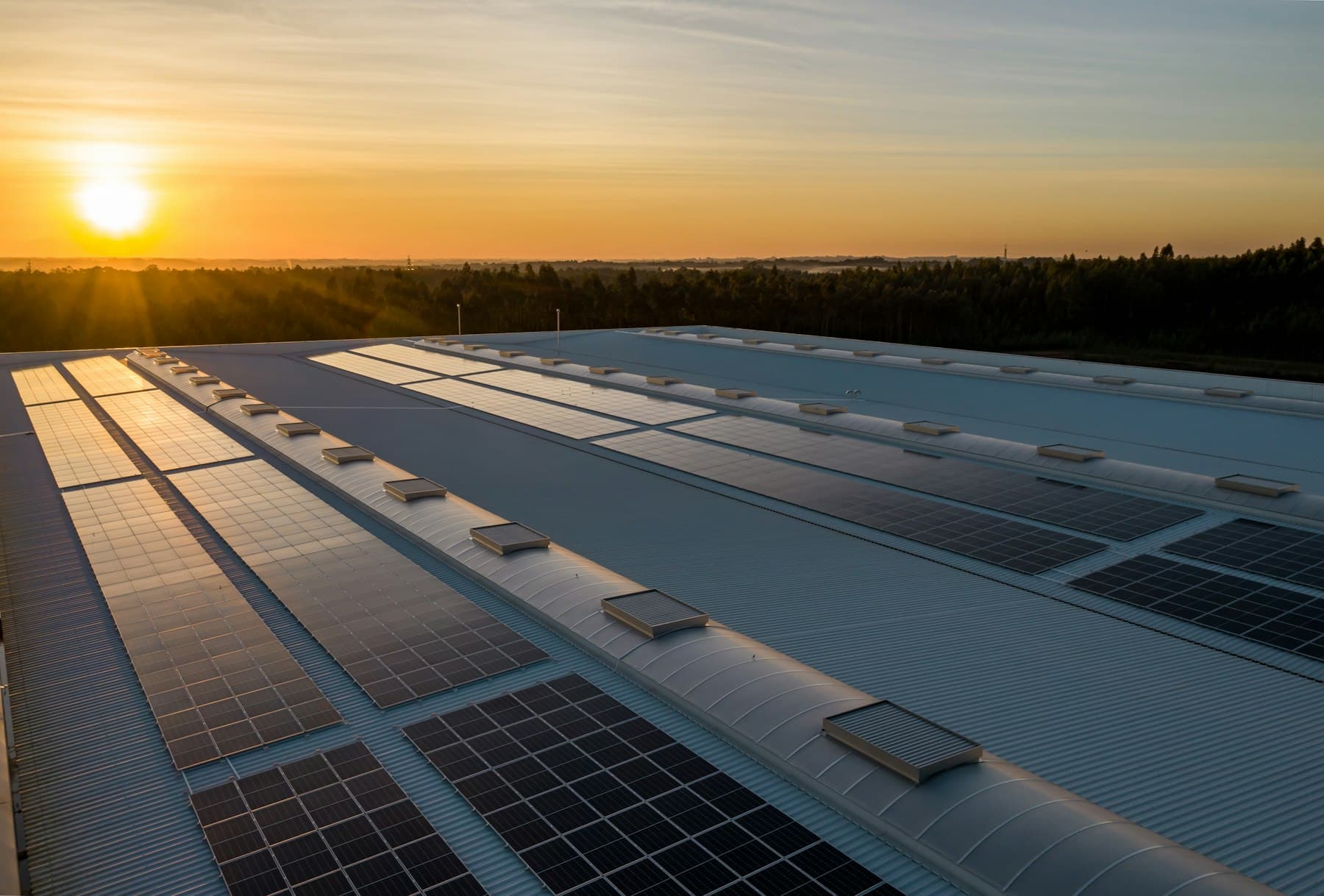
Solar for shops, offices, workshops and other businesses, matched to your operating hours and load profile.
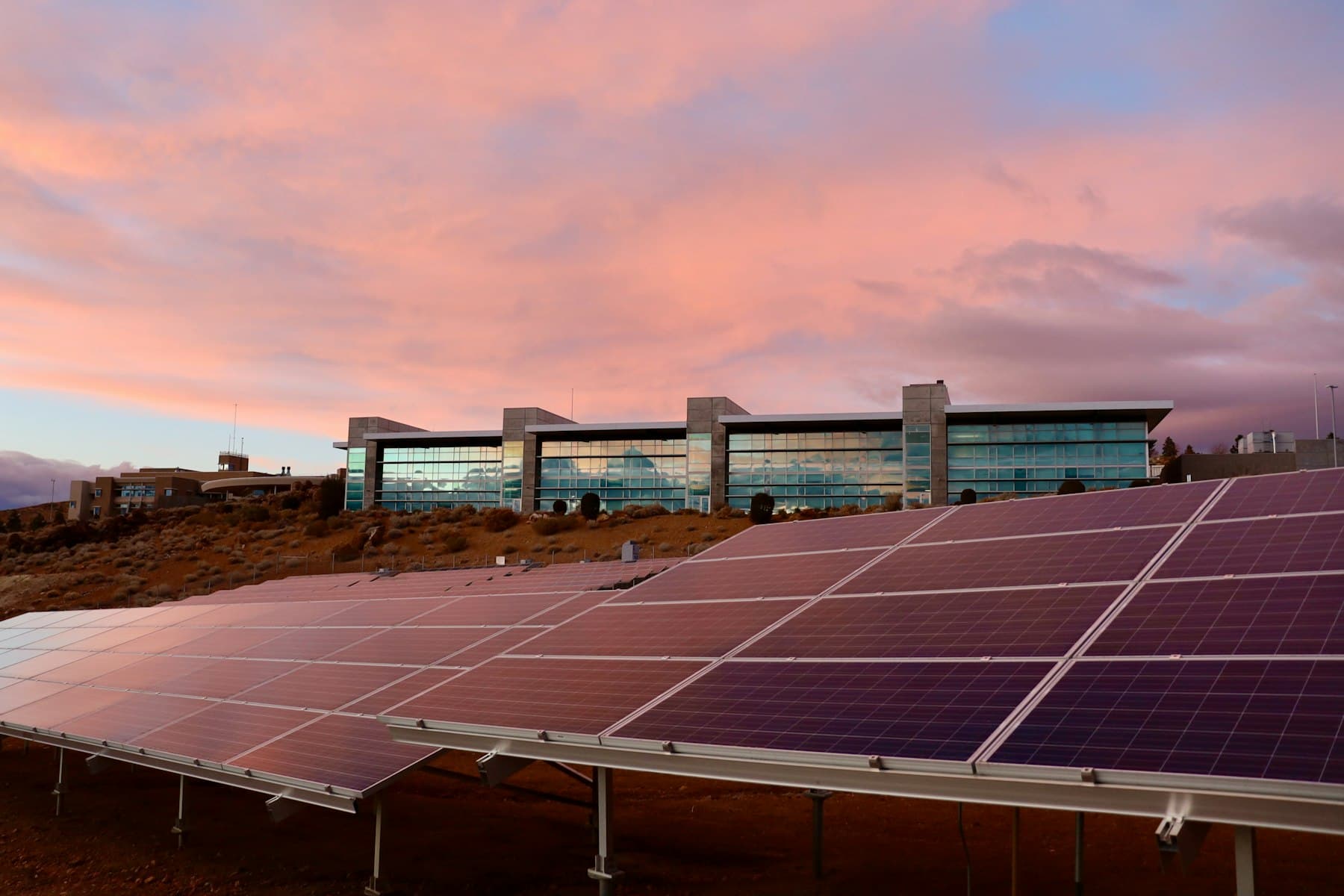
Solar, batteries and grid power working together, so you can use solar first and keep chosen loads running in outages.
Share a few details about your property and energy needs. We’ll follow up to discuss options. A request is not a final quote or a booking.