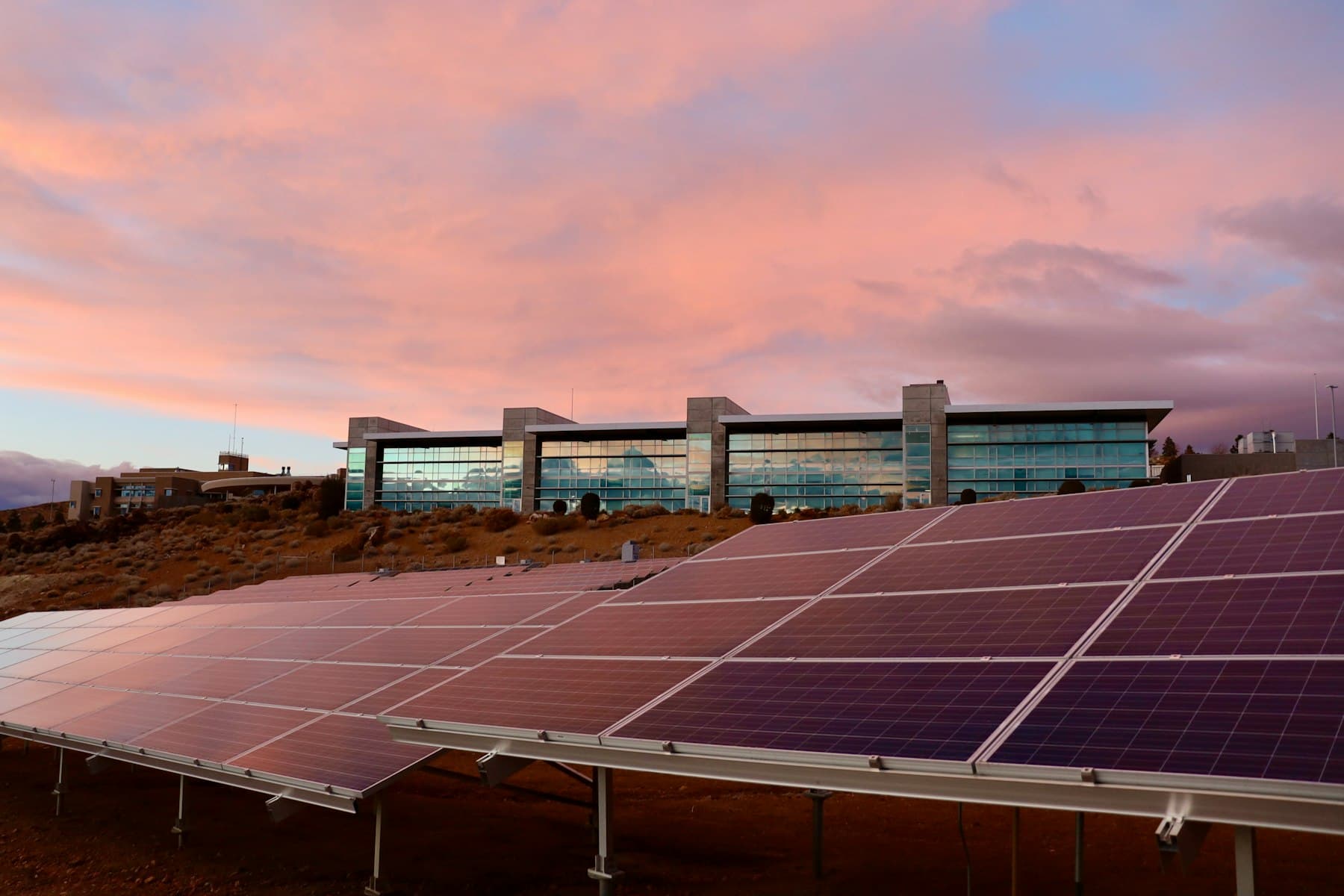
Hybrid Solar Systems
Solar, batteries and grid power working together, so you can use solar first and keep chosen loads running in outages.
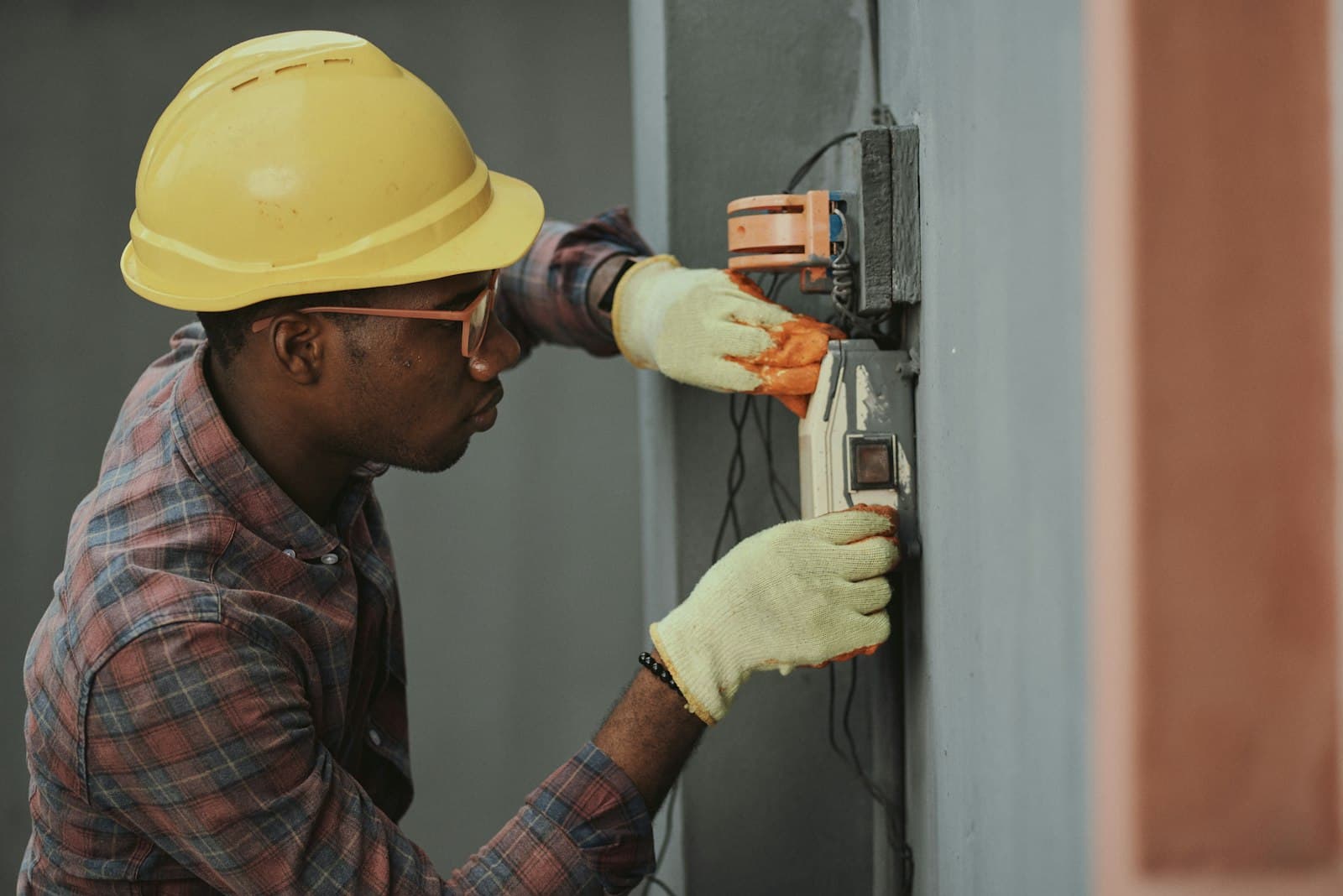
Battery Storage
A battery lets you use solar energy after the sun goes down and keep chosen loads running during outages. The right battery depends on how much energy you need, how fast you need it and how long you want it to last.
How it works
Batteries are described by a few key figures. Capacity is how much energy the battery holds. Usable energy is how much of that you can draw on in normal operation, since most batteries are not run to completely empty. Power output is the rate at which the battery can supply energy, which limits how many appliances can run at the same time.
Backup duration is roughly the usable energy divided by the power your connected loads draw. In practice it varies with appliance cycling, inverter efficiency and battery condition. No battery should be described as able to run every appliance or last a set number of hours without a proper load calculation.
Surplus solar energy, and grid power if configured, charges the battery through the inverter or a dedicated charger.
A battery management system monitors cell voltages, temperature and state of charge to keep the battery within safe limits.
When solar output is low or the grid is down, the battery supplies the connected loads through the inverter.
Discharge limits and charge settings help the battery last longer. These are set during commissioning.
Use cases
Storing daytime solar energy for lighting, cooking appliances and entertainment in the evening.
Keeping essentials such as lighting, refrigeration, routers and security systems running during interruptions.
Retrofitting storage to a compatible solar system that currently has no battery.
Planning
Every recommendation follows a review of your energy use and a site assessment. These are the factors we look at.
List the appliances you want supported, their power draw and how long they run. This is the basis for sizing.
Lithium iron phosphate (LiFePO₄) and lead-acid batteries differ in usable depth of discharge, lifespan, weight and cost.
Batteries need a well-ventilated, dry, shaded location with safe access and appropriate protection.
The battery must be compatible with the inverter's voltage and communication requirements.
FAQs
Only if it is sized for that, which usually means a large battery and inverter. Most residential batteries are sized to support selected essential loads. A load calculation shows what is practical.
Lifespan depends on chemistry, how deeply and how often the battery is cycled, temperature and maintenance. Manufacturer warranties usually specify a number of cycles or years and a minimum retained capacity.
kW measures power, the rate at which energy is used at a given moment. kWh measures energy, the amount used over time. A battery needs enough kWh to last and enough kW to run your loads at once.
Related
Solar, batteries and grid power working together, so you can use solar first and keep chosen loads running in outages.
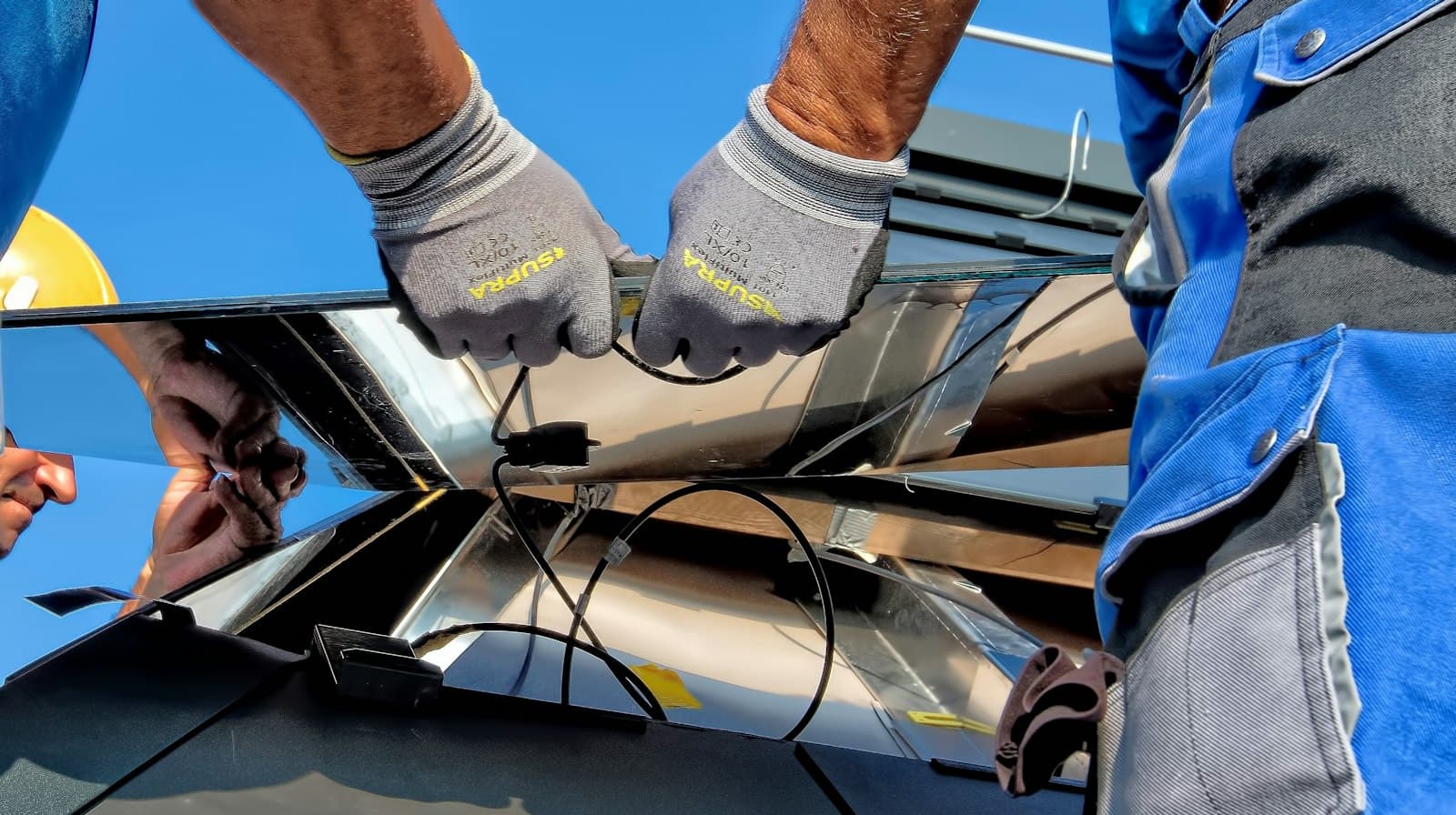
Keep selected appliances and essential circuits running during outages, recharged by solar.
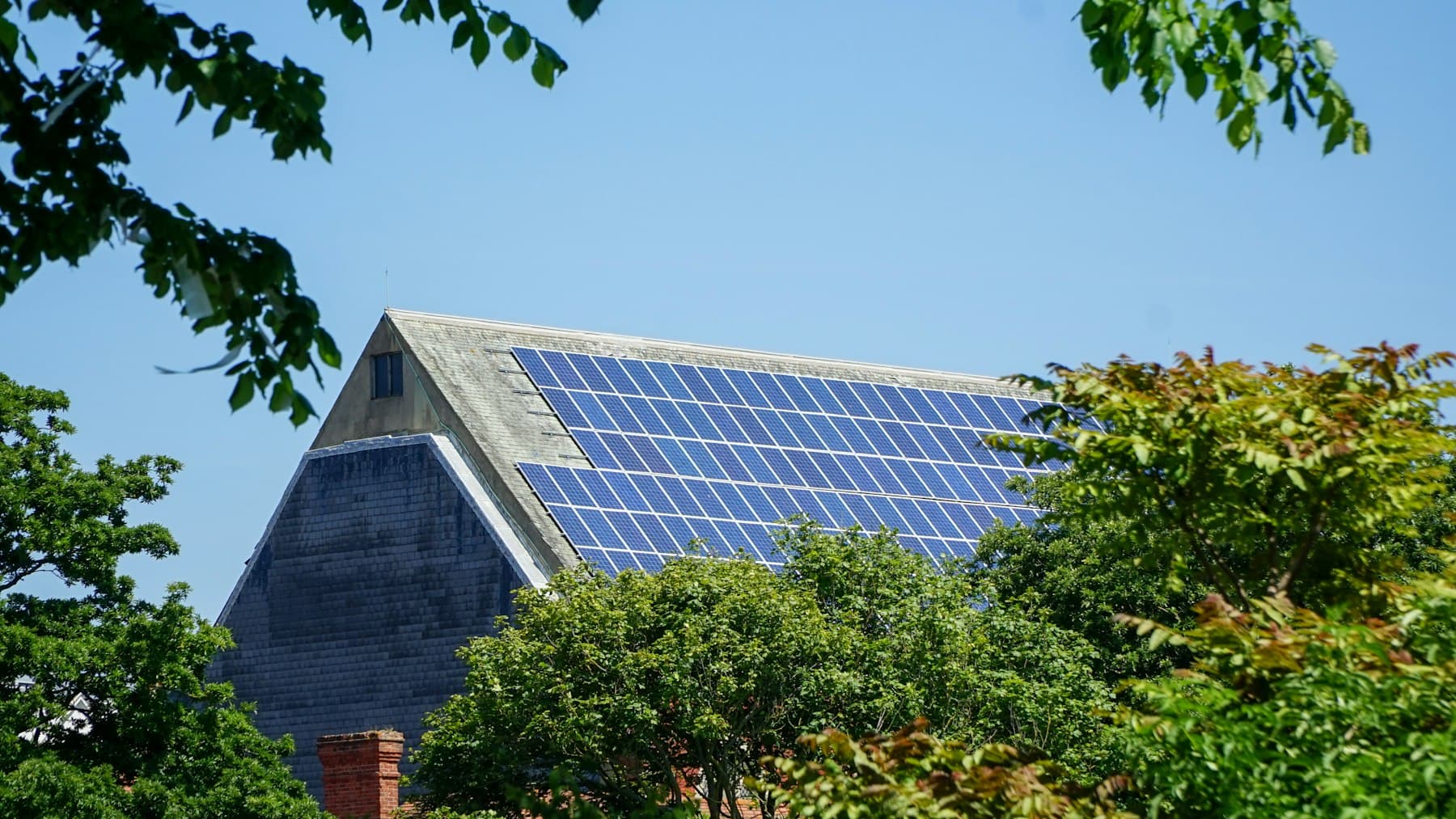
Rooftop solar for households, sized around how your family actually uses power, with battery storage as an option.
Share a few details about your property and energy needs. We’ll follow up to discuss options. A request is not a final quote or a booking.