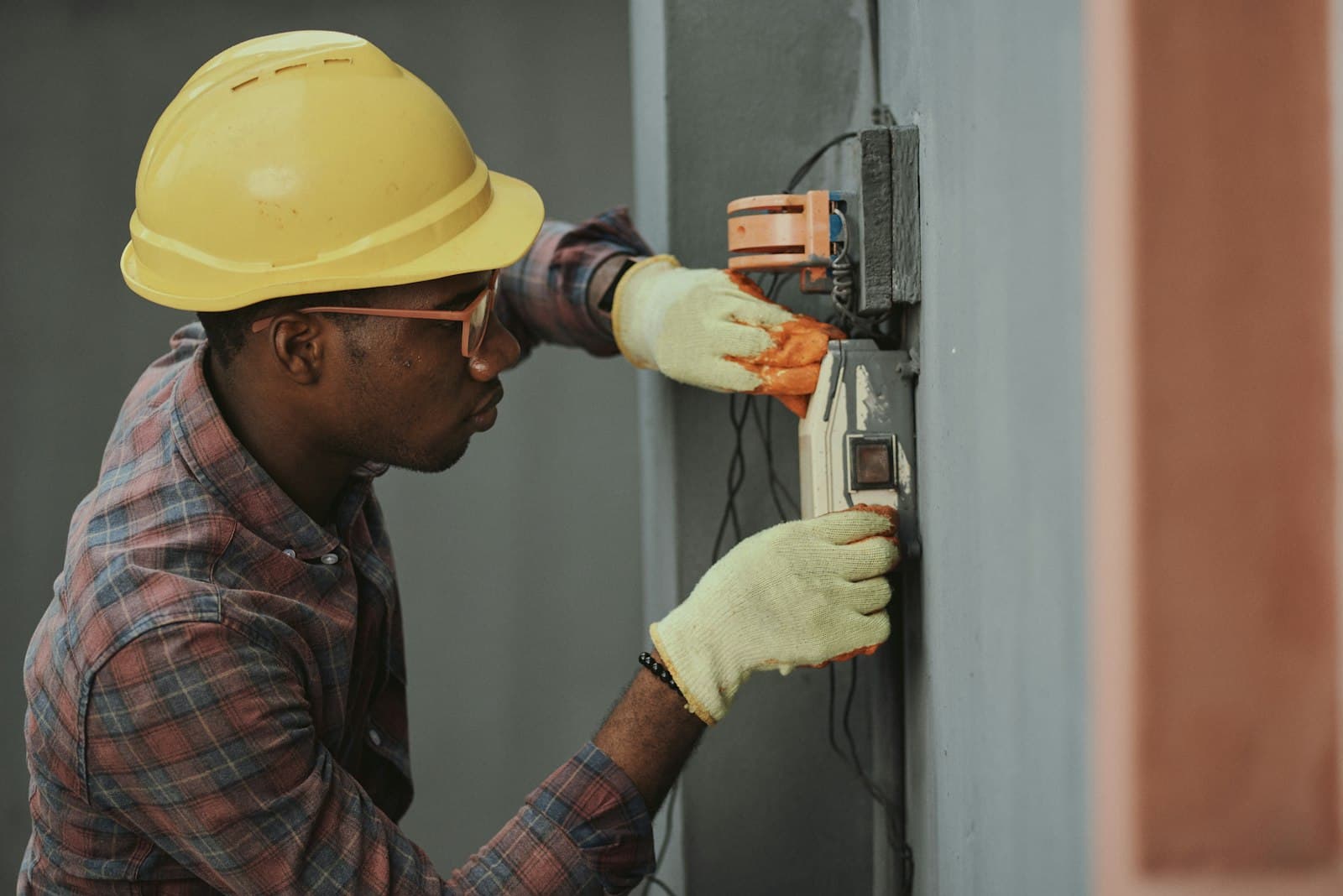
Battery Storage
Store solar energy for evenings and outages, sized from a clear calculation of the loads you want to support.
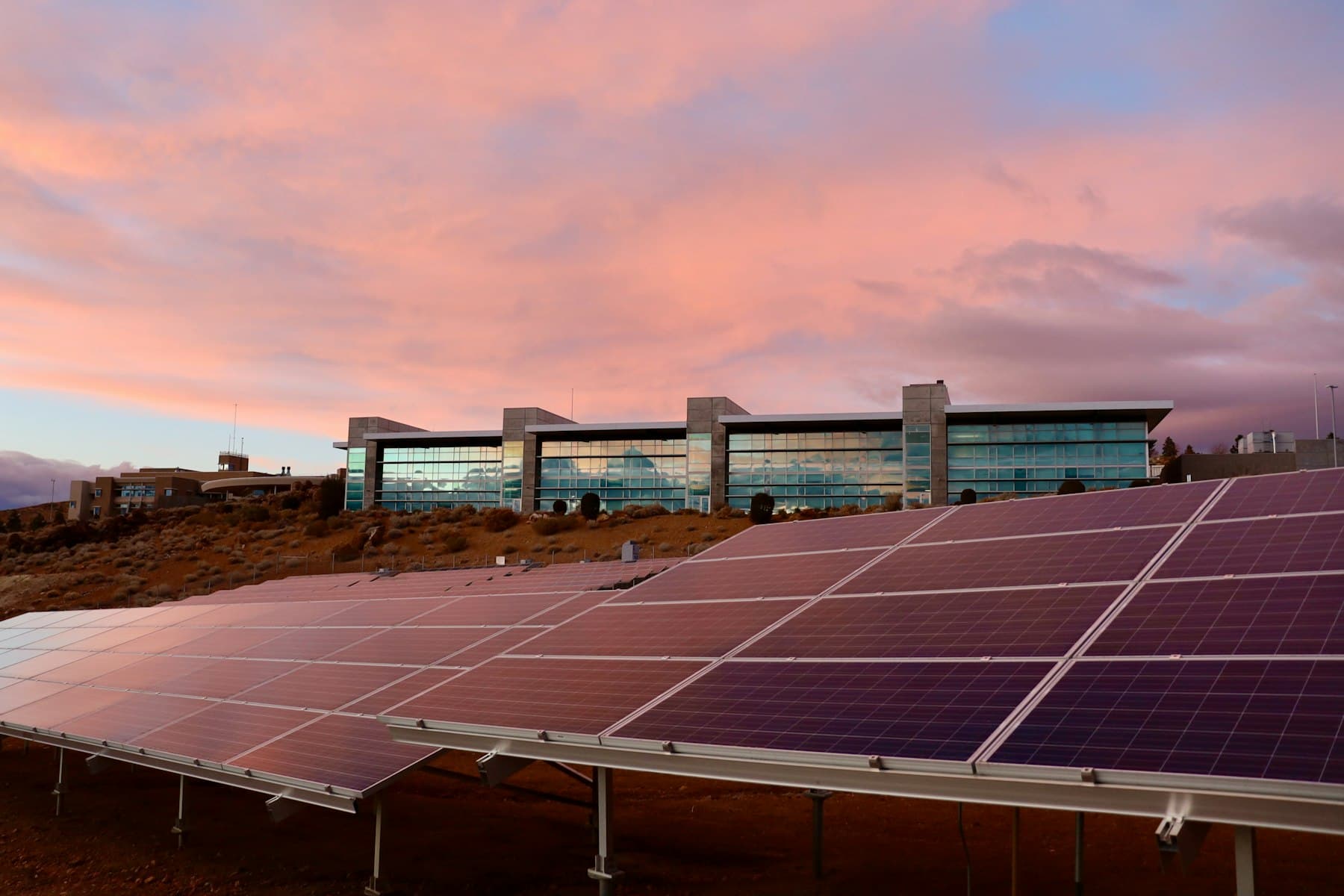
Hybrid Solar Systems
A hybrid system uses an inverter that manages solar panels, a battery bank and the grid together. Depending on the design, it can prioritise solar, store surplus energy and switch to battery power when the grid goes down.
How it works
A hybrid inverter decides moment by moment where power comes from. In a typical setup, solar supplies the property first, surplus solar charges the battery, and the grid fills any remaining gap.
When grid supply is interrupted, the inverter can switch to supplying the backed-up circuits from the battery and solar. How long and how much it can supply depends on the battery's usable capacity, the inverter's power rating and what is connected. These are design decisions, not fixed features.
During daylight, solar output goes to the loads that are running.
Energy not used immediately is stored in the battery, up to its capacity.
In the evening or on overcast days, the battery and grid supply the shortfall according to the settings you choose.
If the grid fails, the inverter supplies the backed-up circuits. Switchover behaviour varies by inverter and configuration.
Use cases
Homes and businesses that experience regular outages and want selected loads to keep running.
Properties that use much of their energy after sunset and want to shift solar output into the evening.
Sites that currently run a generator during outages and want to reduce how often it is needed.
Planning
Every recommendation follows a review of your energy use and a site assessment. These are the factors we look at.
Most hybrid systems back up a dedicated set of essential circuits. Backing up everything requires much larger battery and inverter capacity.
Capacity (kWh) determines how long the battery can supply loads. Inverter and battery power ratings (kW) determine how much can run at the same time.
Electric showers, cookers, kettles and some pumps draw a lot of power. They are often kept off the backed-up circuit unless the system is sized for them.
Exporting power to the grid involves utility requirements. Many hybrid systems are configured not to export.
FAQs
That depends on the battery's usable capacity, how much power the connected loads draw and how much sunlight is available. A load calculation is needed to estimate backup time for your situation.
Some inverters switch over within milliseconds, others take slightly longer. Sensitive equipment may need an inverter with fast transfer or an online UPS. This is checked during design.
Many hybrid inverters can run off-grid, but a system designed mainly for off-grid use needs larger solar and battery capacity to cover days with less sun.
Related
Store solar energy for evenings and outages, sized from a clear calculation of the loads you want to support.
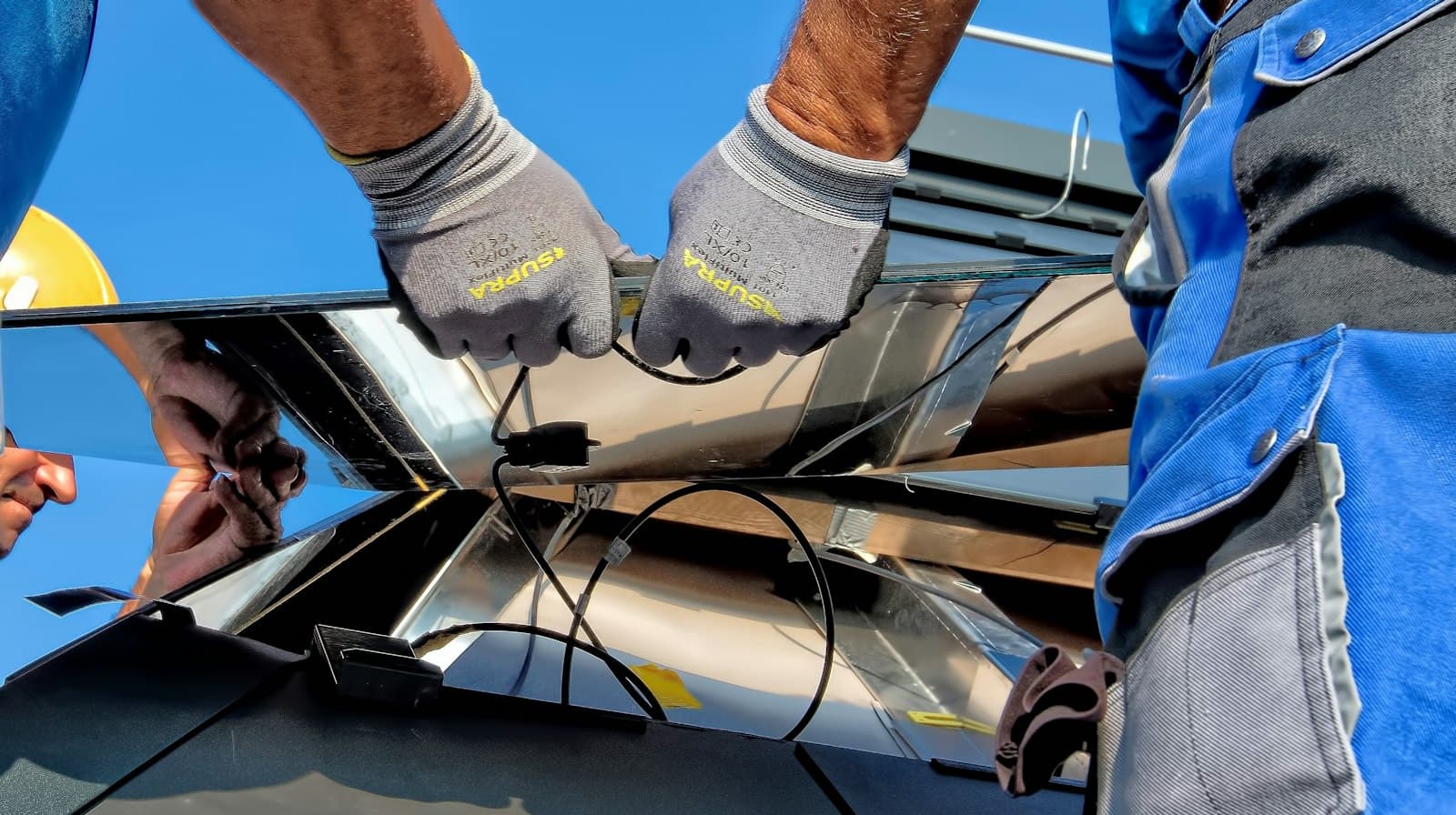
Keep selected appliances and essential circuits running during outages, recharged by solar.
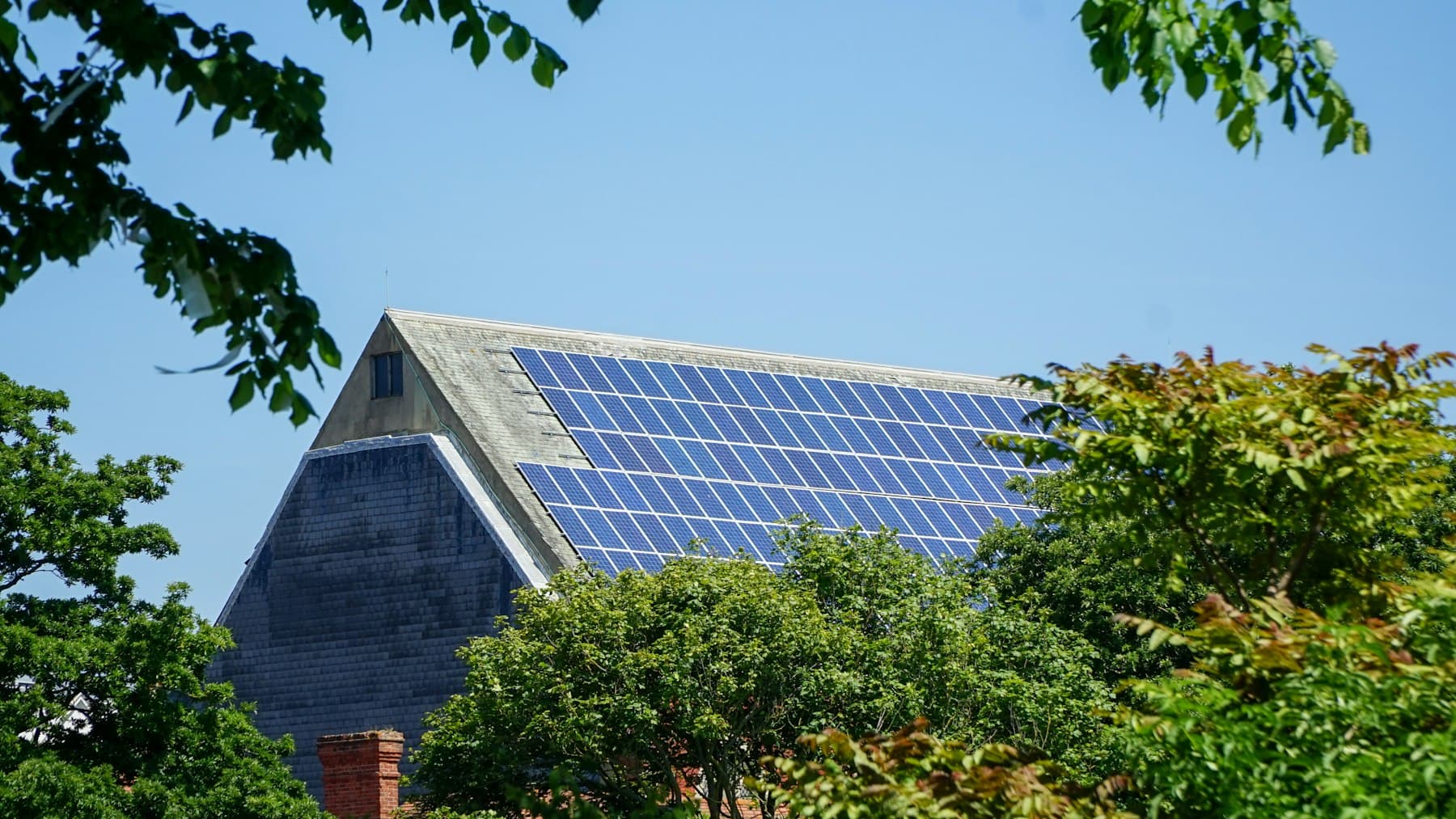
Rooftop solar for households, sized around how your family actually uses power, with battery storage as an option.
Share a few details about your property and energy needs. We’ll follow up to discuss options. A request is not a final quote or a booking.