Battery Storage
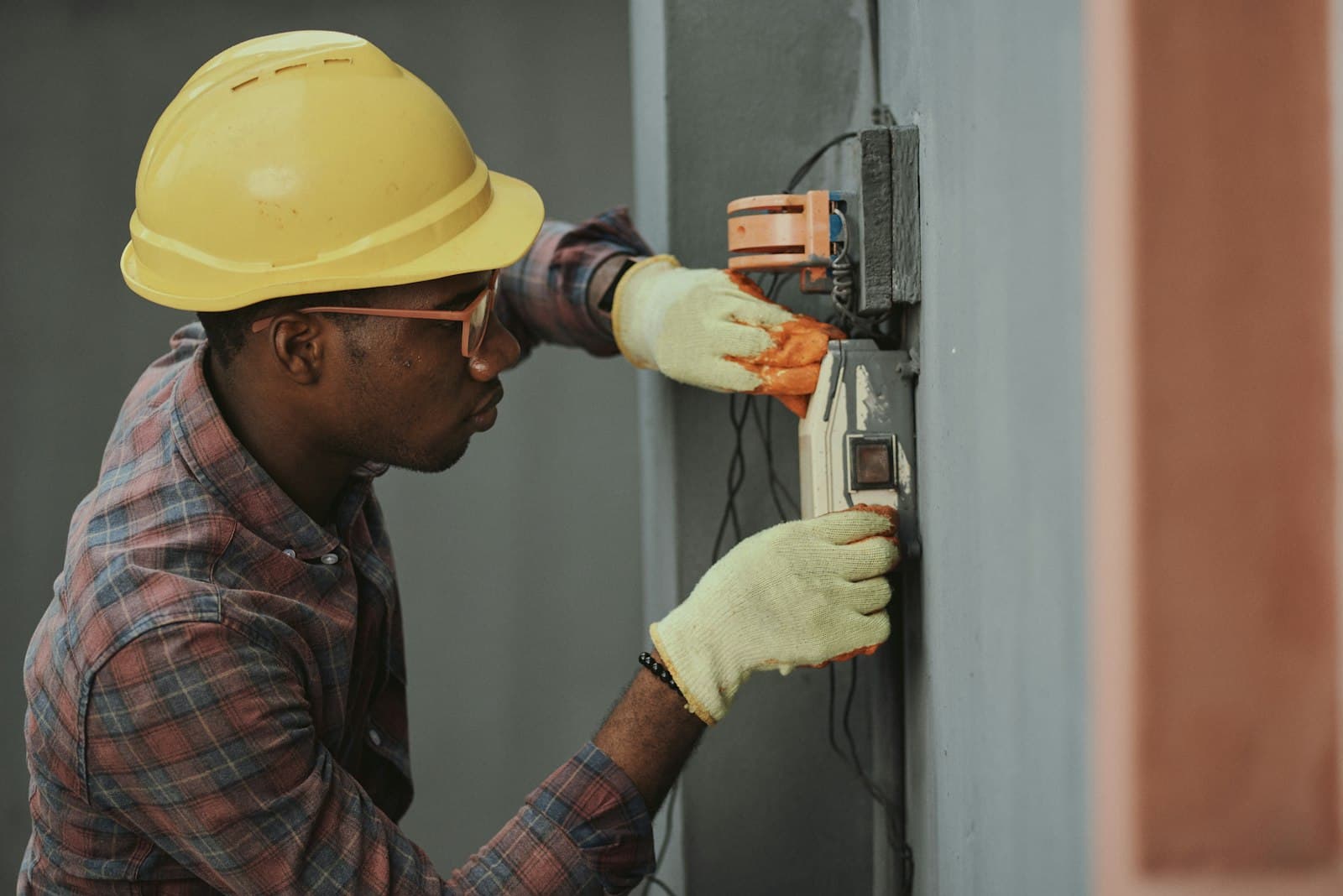
Store solar energy for evenings and outages, sized from a clear calculation of the loads you want to support.
Residential Solar
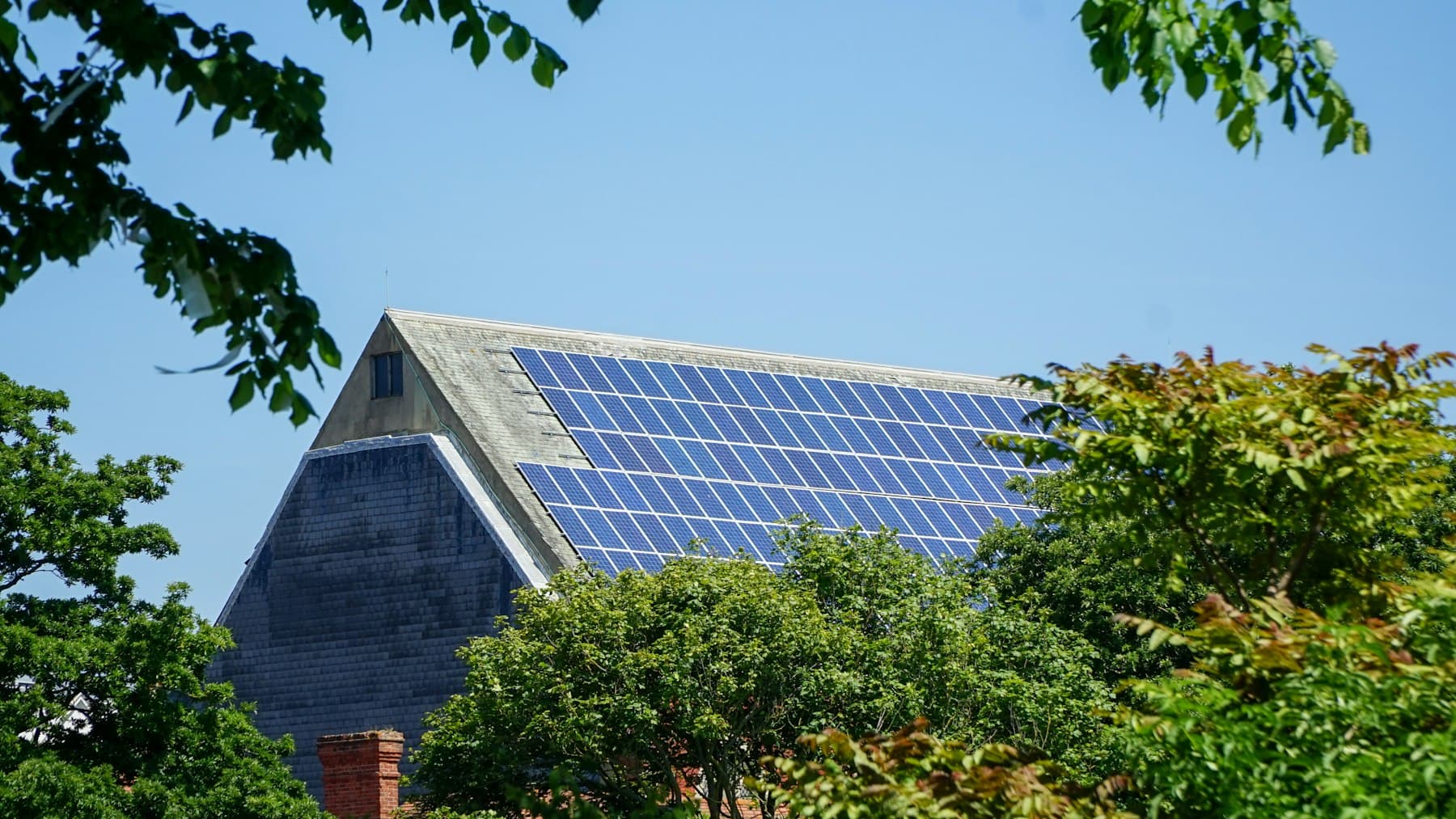
A residential system combines solar panels, an inverter and, where it makes sense, battery storage. The aim is to cover a meaningful share of your daytime energy use and give you more control over what you draw from the grid.
How it works
Solar panels on your roof convert sunlight into direct current (DC) electricity. An inverter converts that into alternating current (AC), the type your sockets and appliances use. During the day, your home uses solar power first and draws from the grid only for the shortfall.
Whether you add batteries depends on what you want the system to do. If your goal is to reduce daytime grid use, a grid-tied system without batteries may be enough. If you want power during outages or into the evening, battery storage becomes part of the design.
Photovoltaic panels produce electricity whenever there is daylight. Output rises and falls with sunlight intensity through the day.
The inverter turns DC from the panels into AC for your home and manages how solar, grid and battery (if fitted) work together.
Appliances running during the day draw on solar power. Any shortfall is supplied by the grid or a battery.
With a battery, excess daytime energy can be stored for later. Without one, the inverter limits output to what the home can use, depending on your connection arrangements.
Use cases
Households with people at home during the day, home offices, or appliances such as pumps and washing machines that can run while the sun is up.
Paired with a battery, a system can keep selected circuits such as lighting, Wi-Fi and the fridge running when grid supply drops.
Homes expecting to add appliances, an extension or electric cooking can plan inverter and roof capacity with expansion in mind.
Planning
Every recommendation follows a review of your energy use and a site assessment. These are the factors we look at.
Recent electricity bills or token purchase history give the most reliable starting point for sizing.
Available area, pitch, shading from trees or neighbouring buildings, and roof condition all affect how many panels can be installed and how well they perform.
Knowing which appliances you would want running during an outage determines whether you need a battery and how large it should be.
Some households start with panels and an inverter that can accept a battery later, spreading the investment over time.
FAQs
There is no single typical number. The panel count depends on your daily energy use, the share of it you want solar to cover, panel wattage and the roof space available. A site assessment and a review of your bills are needed to recommend a size.
In most homes, yes, but the existing distribution board, earthing and protection devices need to be checked. Some upgrades may be needed for a safe installation.
Often, yes, if the inverter you choose supports battery storage. If adding a battery later is likely, it is worth planning for it at the design stage.
Related
Store solar energy for evenings and outages, sized from a clear calculation of the loads you want to support.
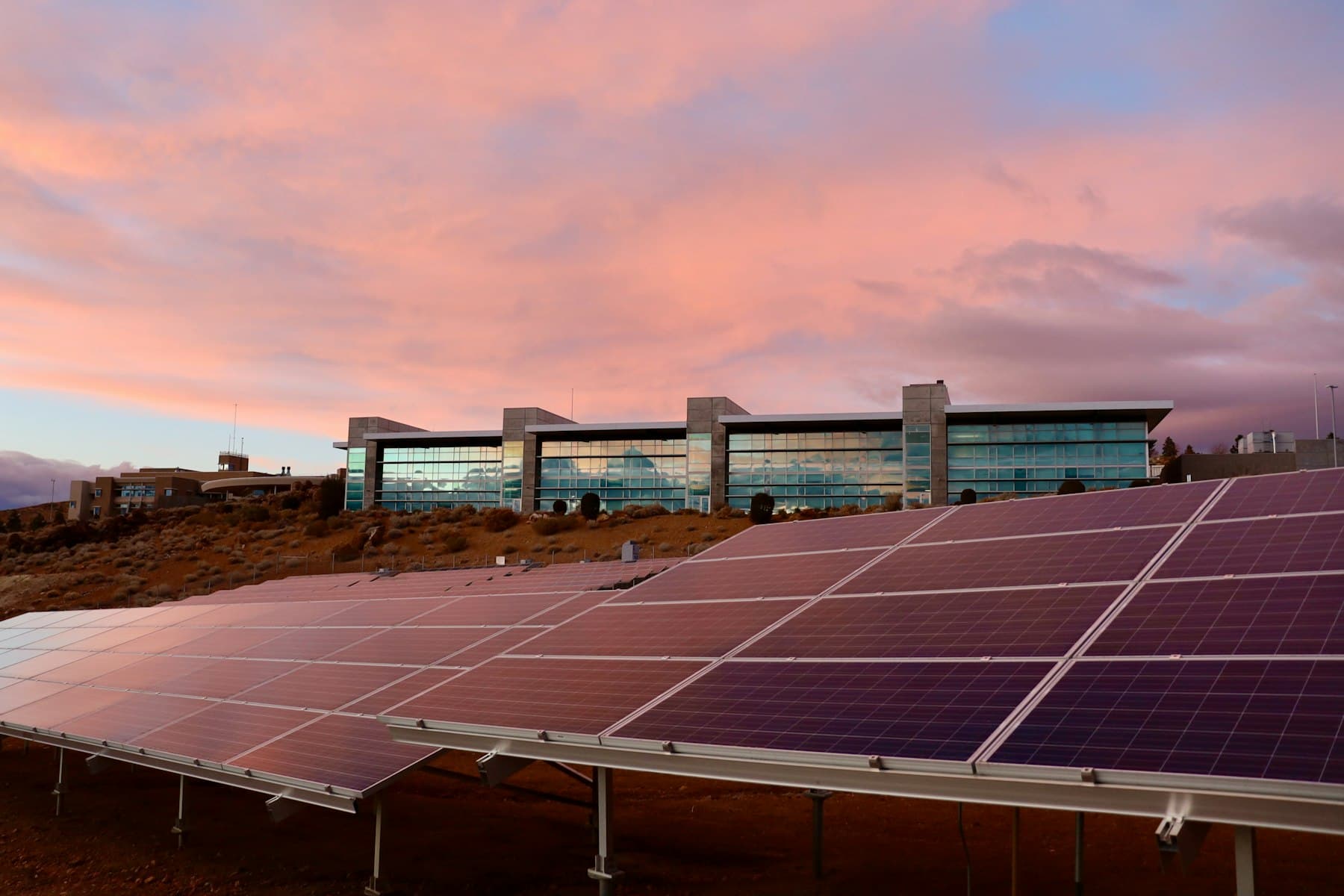
Solar, batteries and grid power working together, so you can use solar first and keep chosen loads running in outages.
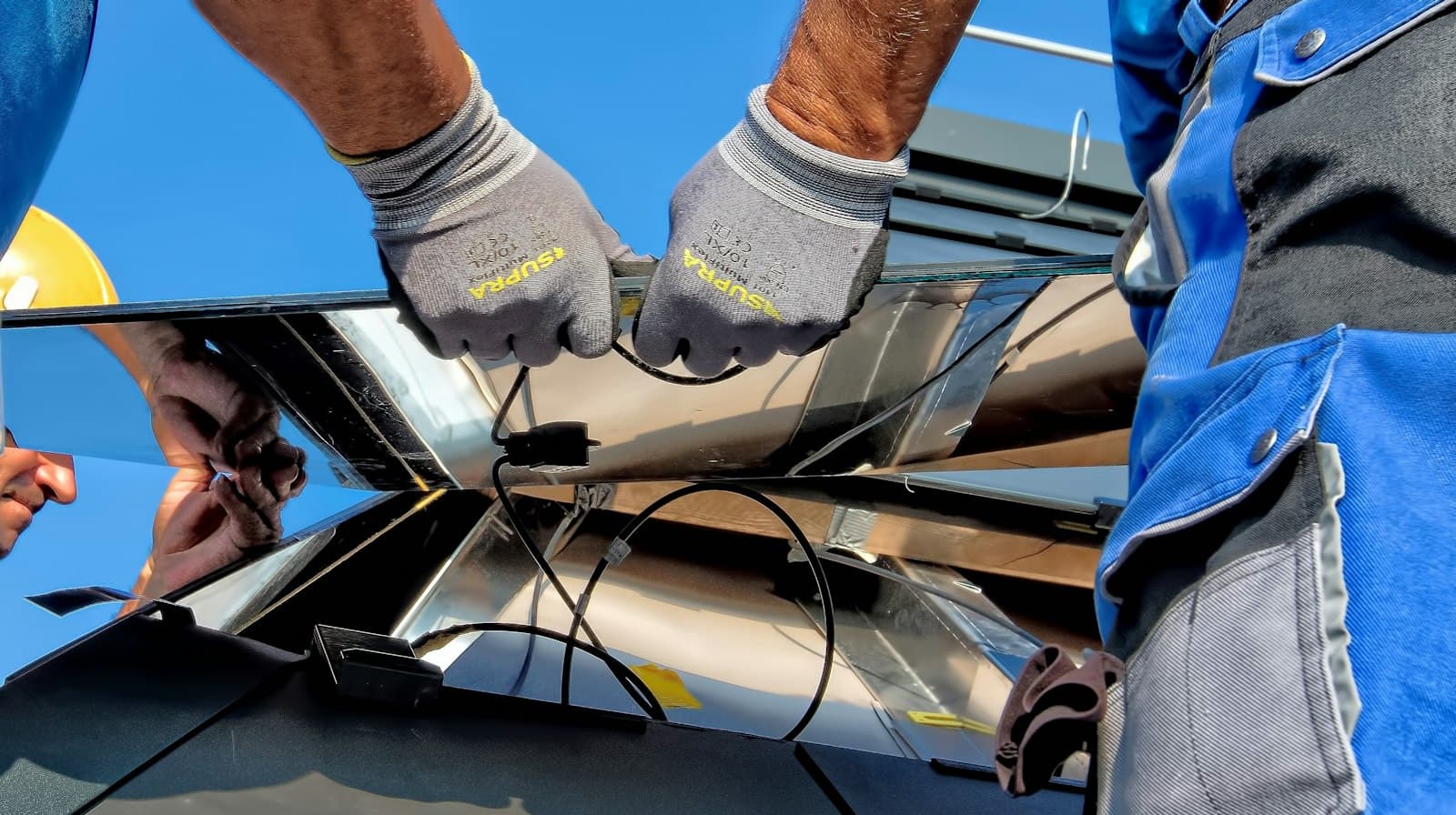
Keep selected appliances and essential circuits running during outages, recharged by solar.
Share a few details about your property and energy needs. We’ll follow up to discuss options. A request is not a final quote or a booking.