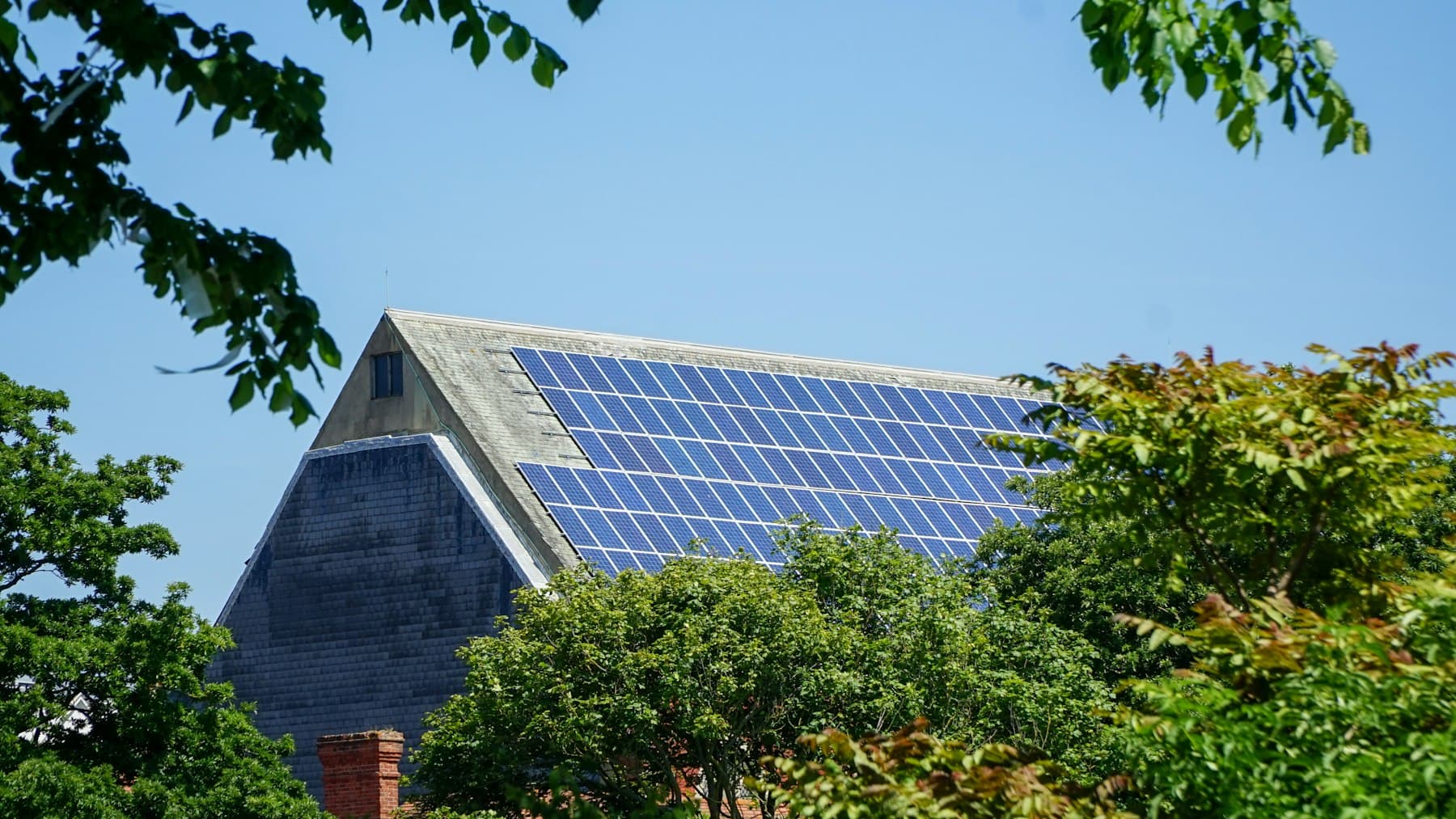
Residential Solar
Rooftop solar for households, sized around how your family actually uses power, with battery storage as an option.
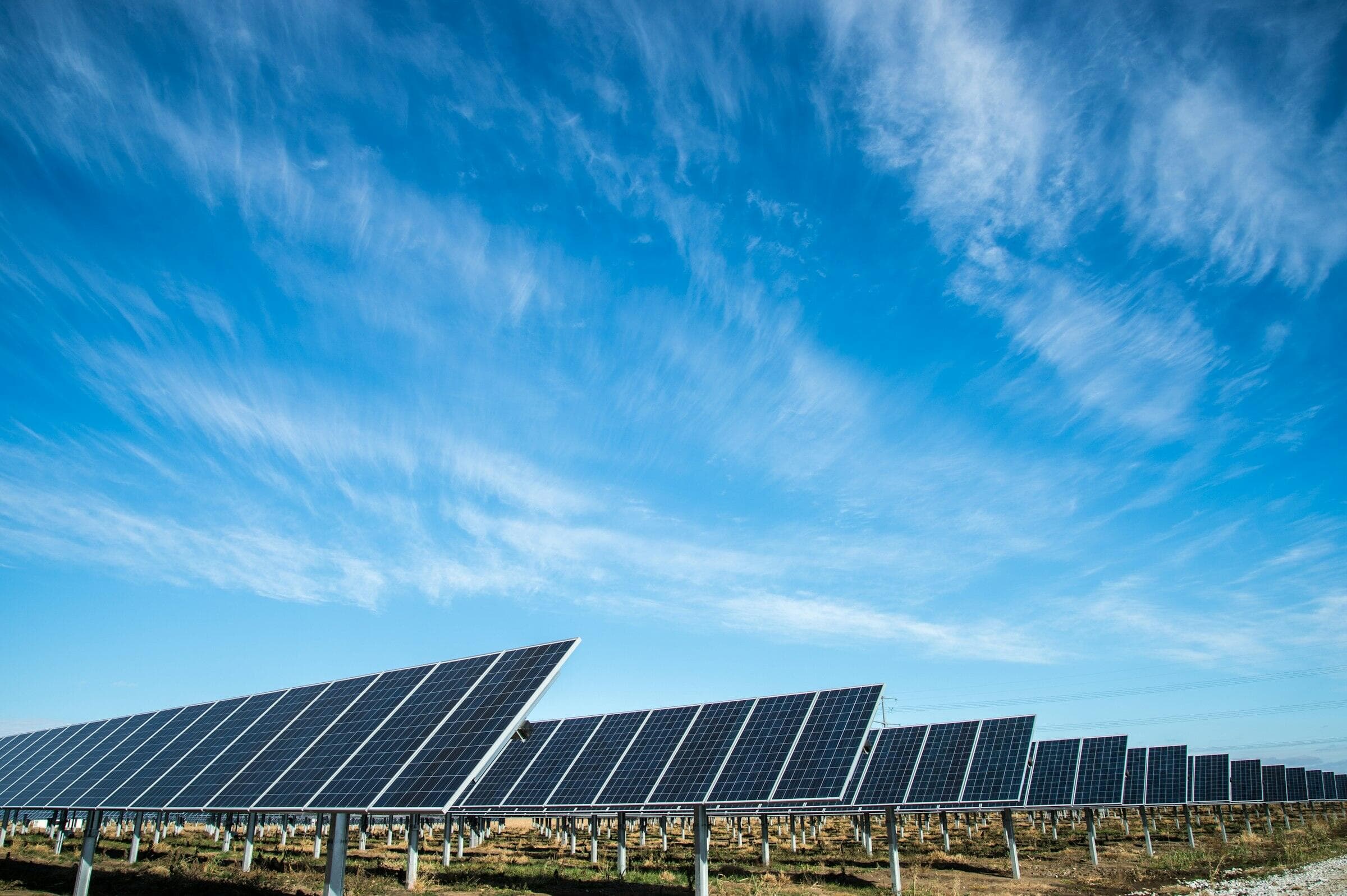
Explore practical solar and backup power solutions designed around your property, energy needs, and budget.
Use solar power during the day to reduce how much electricity you draw from the grid.
Add battery storage to support chosen appliances when grid supply is interrupted.
Systems sized around your consumption, roof, budget and priorities, not a fixed package.
Plan for future loads and expansion so your system can grow with your needs.
Our approach
There is no one-size-fits-all solar system. The right setup depends on your property and on what you want solar to do for you. We start with a few practical questions.
How many kWh you use, and when during the day you use them.
Which appliances matter most, and how much power they draw.
Area, orientation, pitch and shading all affect how much solar fits.
What you want to invest now, and whether you plan to expand later.
Whether you need power during outages, and for which loads.
Solutions
From rooftop solar to battery storage and solar water heating, each solution is planned around your property and priorities.
Rooftop solar for households, sized around how your family actually uses power, with battery storage as an option.
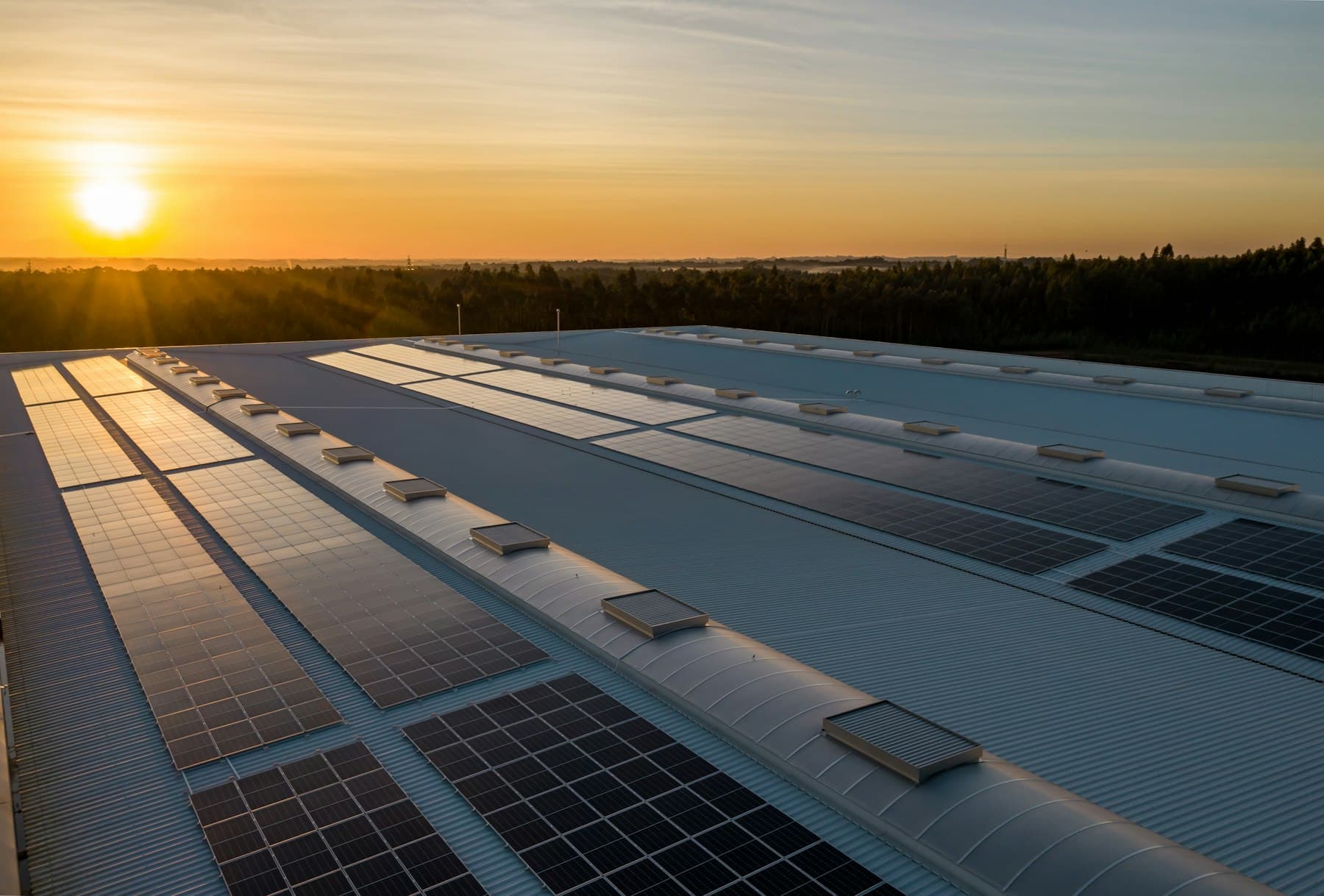
Solar for shops, offices, workshops and other businesses, matched to your operating hours and load profile.
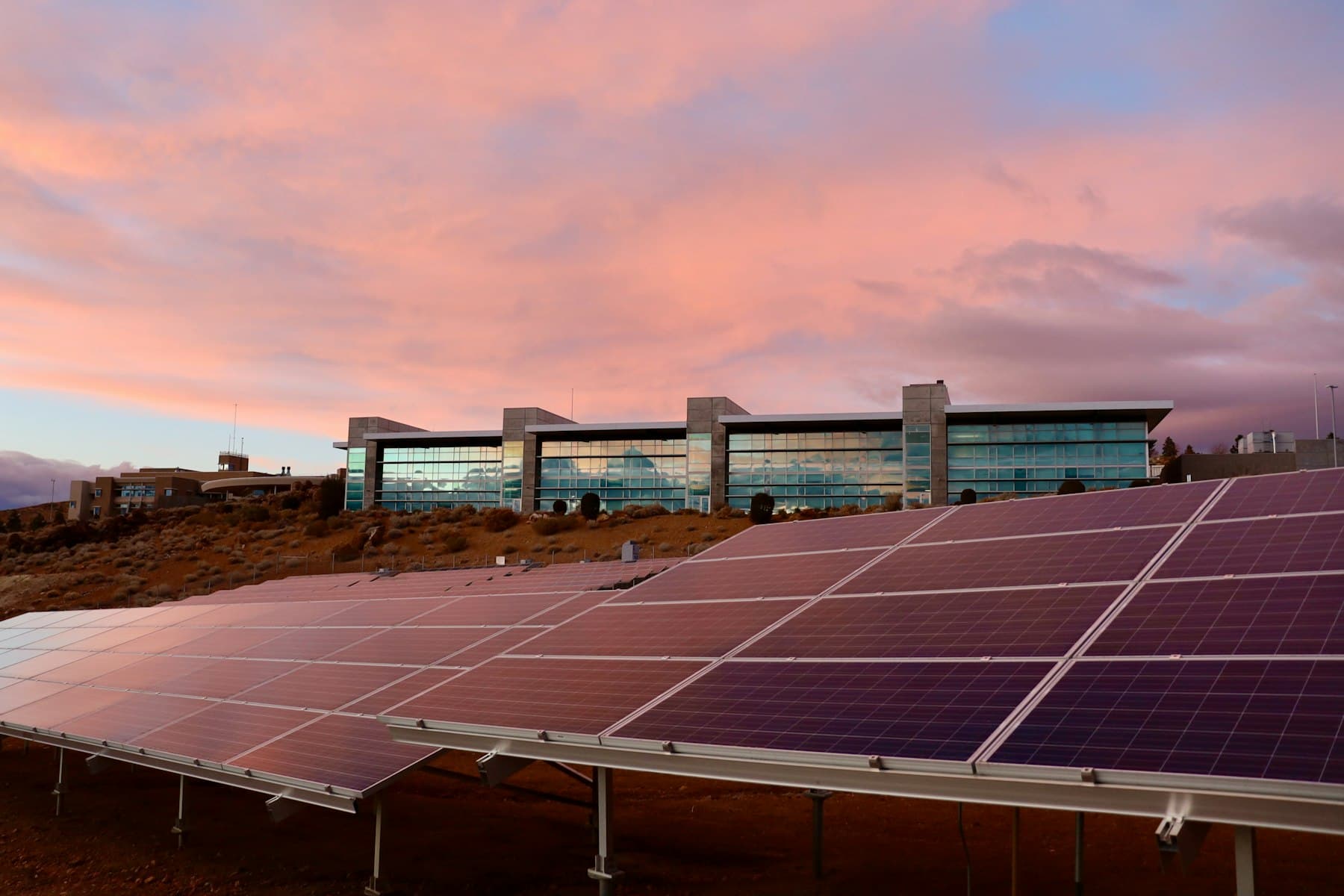
Solar, batteries and grid power working together, so you can use solar first and keep chosen loads running in outages.
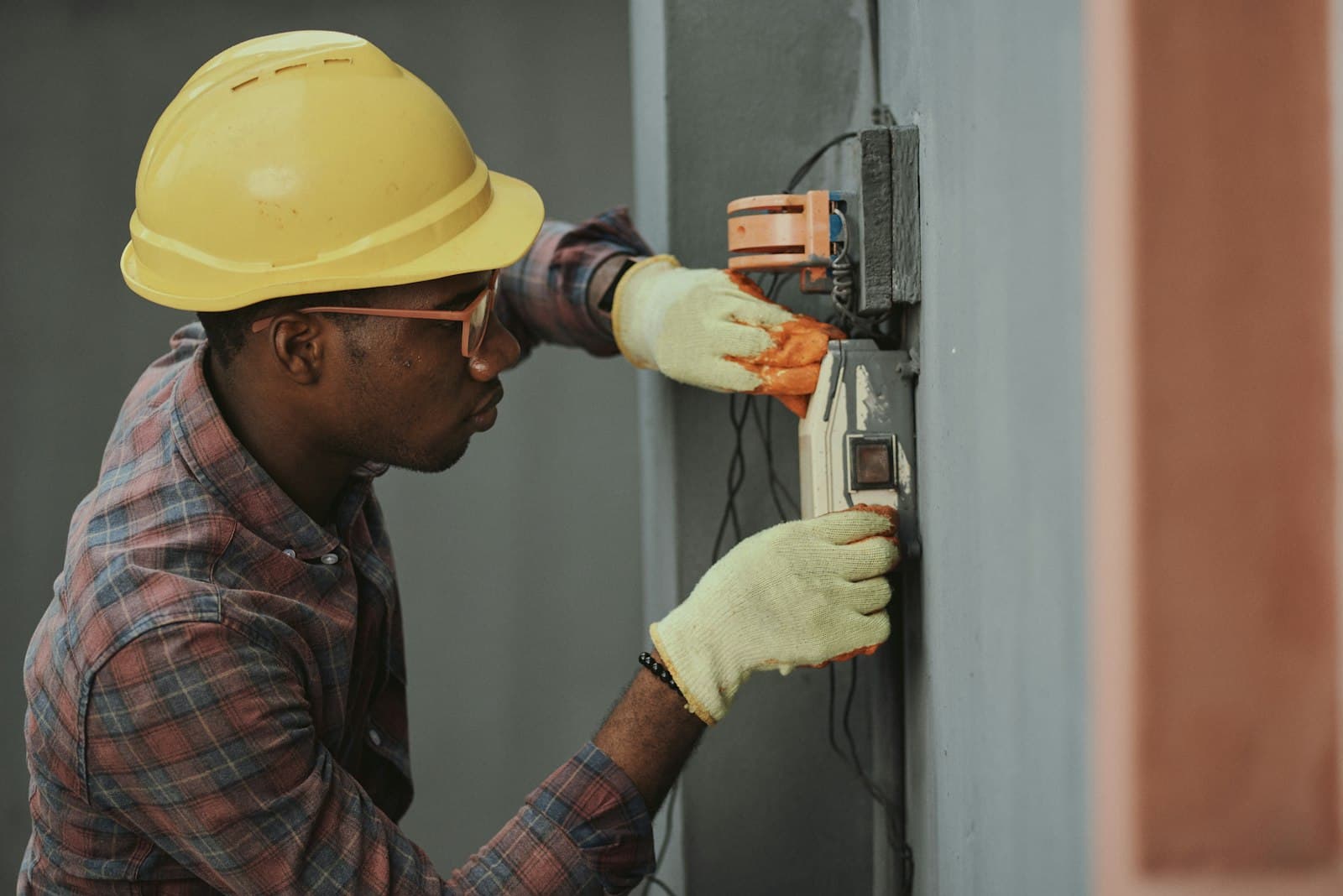
Store solar energy for evenings and outages, sized from a clear calculation of the loads you want to support.
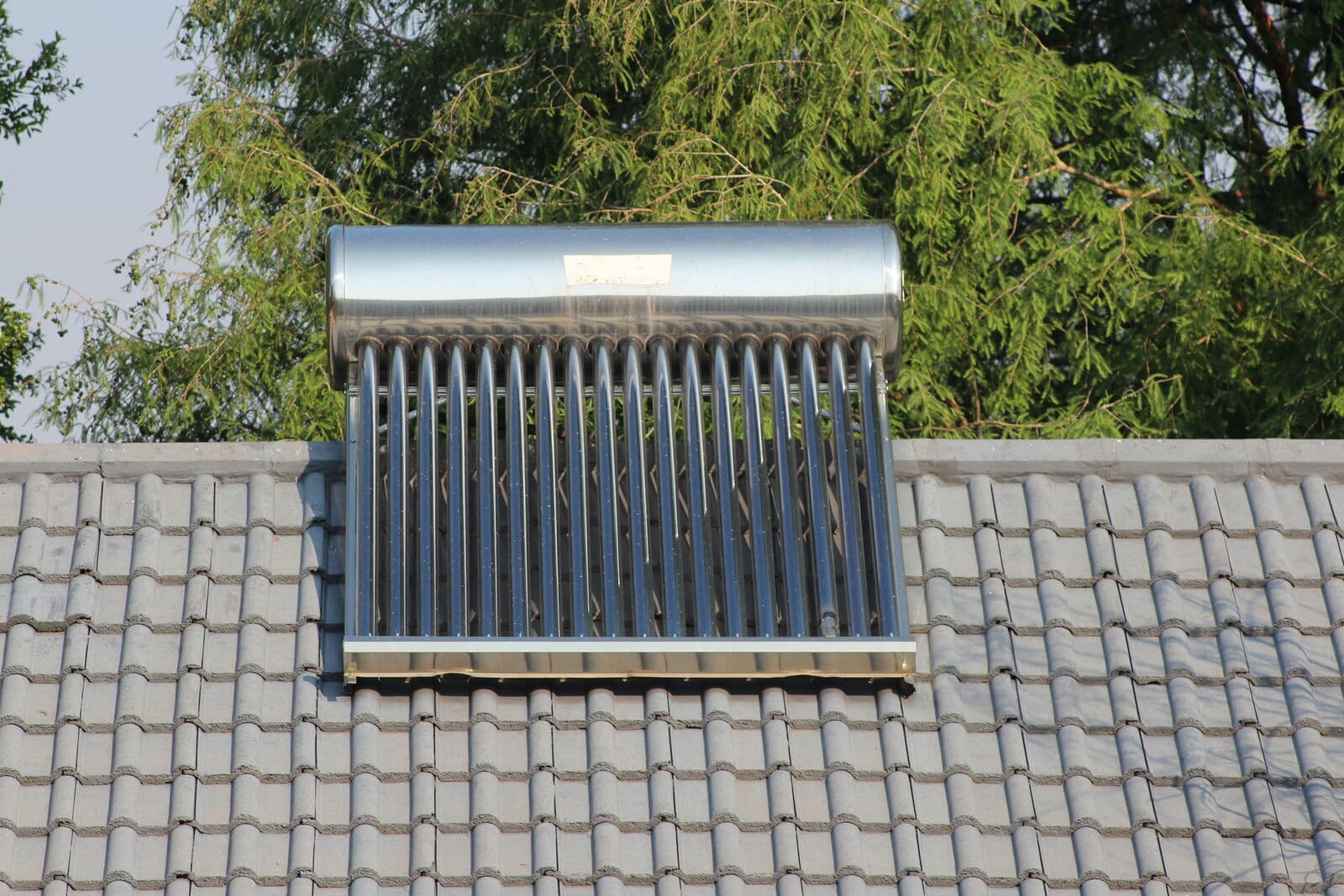
Use the sun to heat water directly and reduce the electricity used by electric geysers and showers.
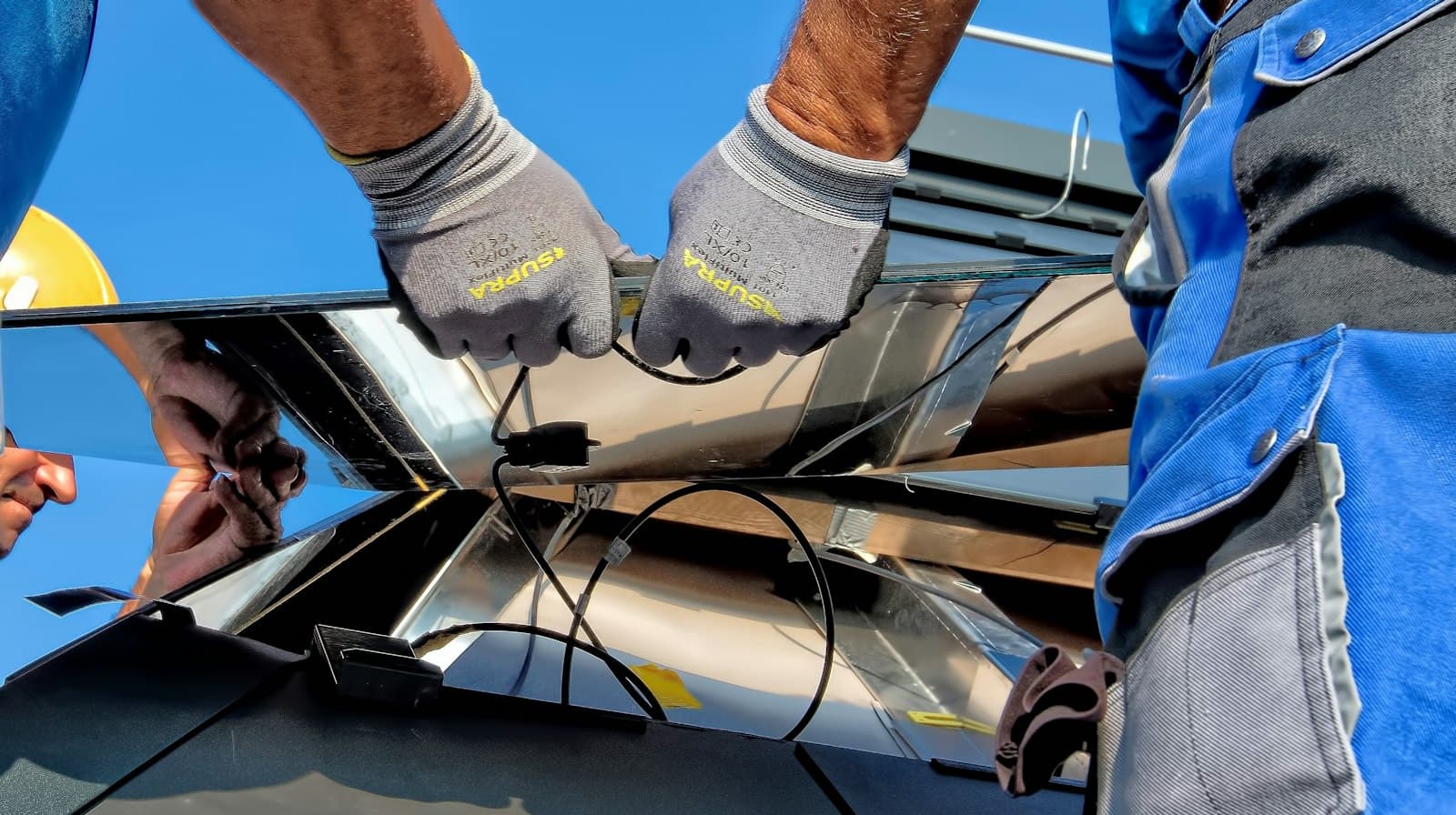
Keep selected appliances and essential circuits running during outages, recharged by solar.
How it works
A clear four-step process, so you know what happens at each stage and what we need from you.
Step 1
Understand the property’s energy use and power requirements, from bills, appliance lists and a site visit.
Step 2
Select suitable panels, inverter, battery capacity and system configuration, and explain the trade-offs.
Step 3
Carry out installation and system commissioning, with safe isolation, protection and testing.
Step 4
Provide guidance on using, monitoring and maintaining your system after handover.
Fictional scenarios showing how we would approach different properties. System details are illustrative, not records of real installations.
Detached family home
Hybrid solar + battery · illustrative
A hybrid system design for a family home with a home office, designed to use daytime solar and keep essential circuits running through short outages.
Single-storey retail premises
Grid-tied rooftop solar · illustrative
A rooftop solar design for a retail business with refrigeration and lighting loads that closely follow daylight trading hours.
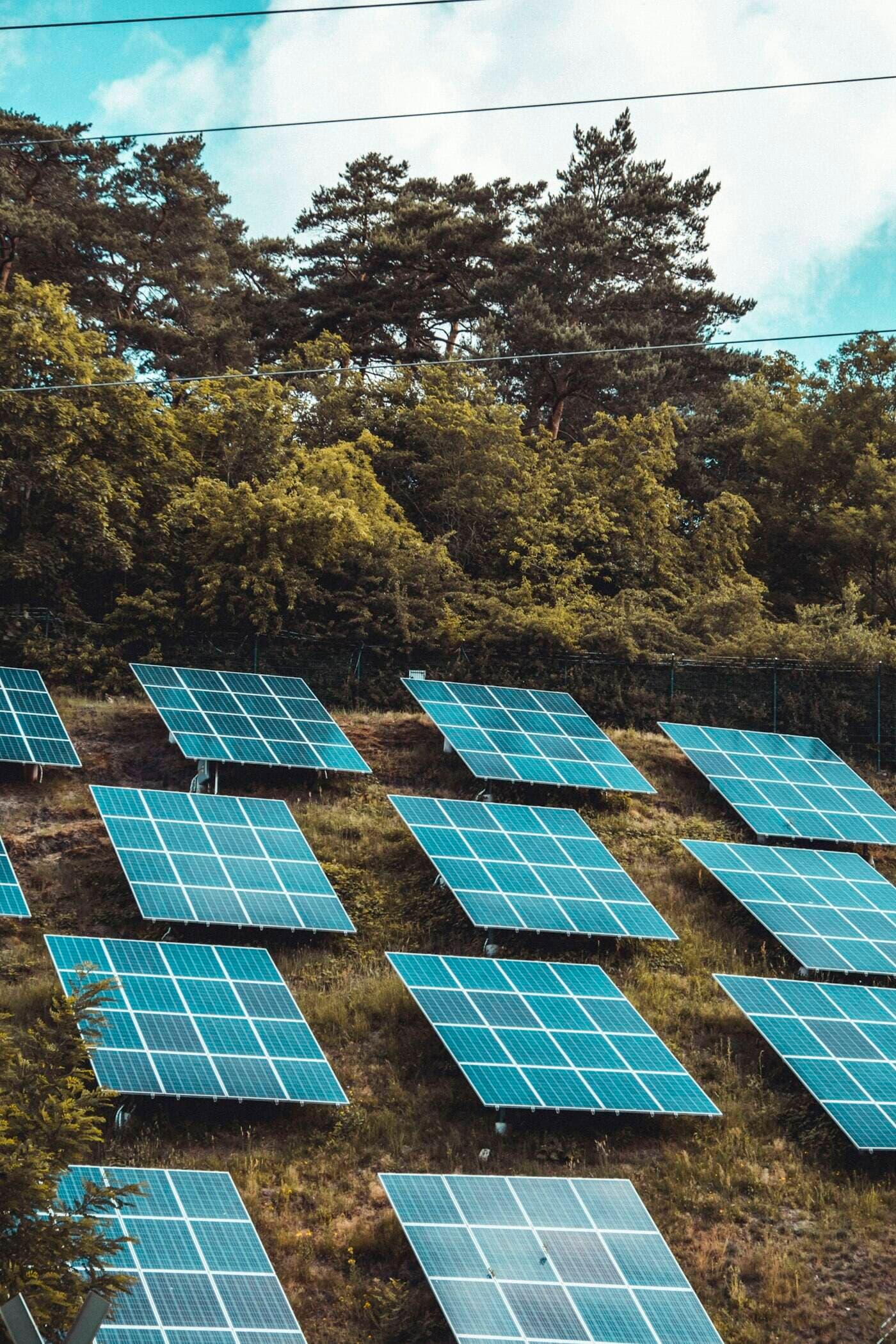
Rural farmhouse
Solar backup with battery · illustrative
A solar and battery design for a rural farmhouse with an intermittent grid connection, focused on lighting, refrigeration and water pumping.
Energy savings
Potential savings are different for every property. Our calculator lets you test your own assumptions and see exactly how each figure is worked out.
Results are illustrative estimates based on the figures you enter, not a quote or engineering assessment.
Why Sunpeak
The principles behind how we work with every customer.
We recommend what suits your property and goals, including when a smaller system or no battery makes more sense.
Itemised quotes that show the equipment, the work involved and the assumptions behind any estimates.
Designs based on your load profile and site conditions, with room to expand if you need it later.
Clear handover, guidance on monitoring and maintenance, and a point of contact when you have questions.
FAQs
General answers to help you get started. Whether a particular system suits your property depends on a site assessment and your energy requirements.
Solar panels convert sunlight into direct current (DC) electricity. An inverter converts this into alternating current (AC), which your appliances use. Your property uses solar power first, and the grid or a battery supplies any shortfall. With a battery, surplus daytime energy can be stored for later.
Not always. If your main goal is to reduce daytime grid use, a system without batteries may be enough. Batteries become important if you want power during outages or want to use solar energy in the evening. The right choice depends on your energy use and priorities.
It can, but only if the system is sized for it. Powering a whole home, including high-draw appliances such as electric showers, cookers and water heaters, needs a larger solar array, inverter and battery. Many households instead choose to cover a share of their use and back up essential loads. A site assessment and load review show what is practical for your property.
Start with your electricity bills or token purchases to see how many kilowatt-hours (kWh) you use each month. Then consider which loads you want solar to cover, whether you need backup, and how much roof space is available. Our savings calculator can help you explore costs, but a proper sizing needs a site assessment.
A straightforward residential installation often takes one to a few days on site. Larger or more complex systems, such as commercial projects or installations needing electrical upgrades, take longer. Survey, design and equipment availability also affect the overall timeline.
Yes, but output is lower. Solar panels respond to daylight, not heat, so they still generate under cloud cover, just less. System designs account for variation in weather, and batteries or the grid make up the difference.
Solar systems need relatively little maintenance. Typical tasks are keeping panels reasonably clean, checking for shading from new growth, inspecting wiring and mounts periodically and keeping an eye on inverter and battery alerts. Batteries and inverters may need occasional checks according to the manufacturer's guidance.
It can, by replacing some of the electricity you would otherwise buy from the grid. How much depends on your consumption pattern, tariff, system size, sunlight and whether you use batteries. A well-prepared quotation should show the assumptions behind any estimated reduction.
Tell us how you use power, what matters most to you and what you’d like solar to do. We’ll talk you through the options in plain language. No technical knowledge needed.