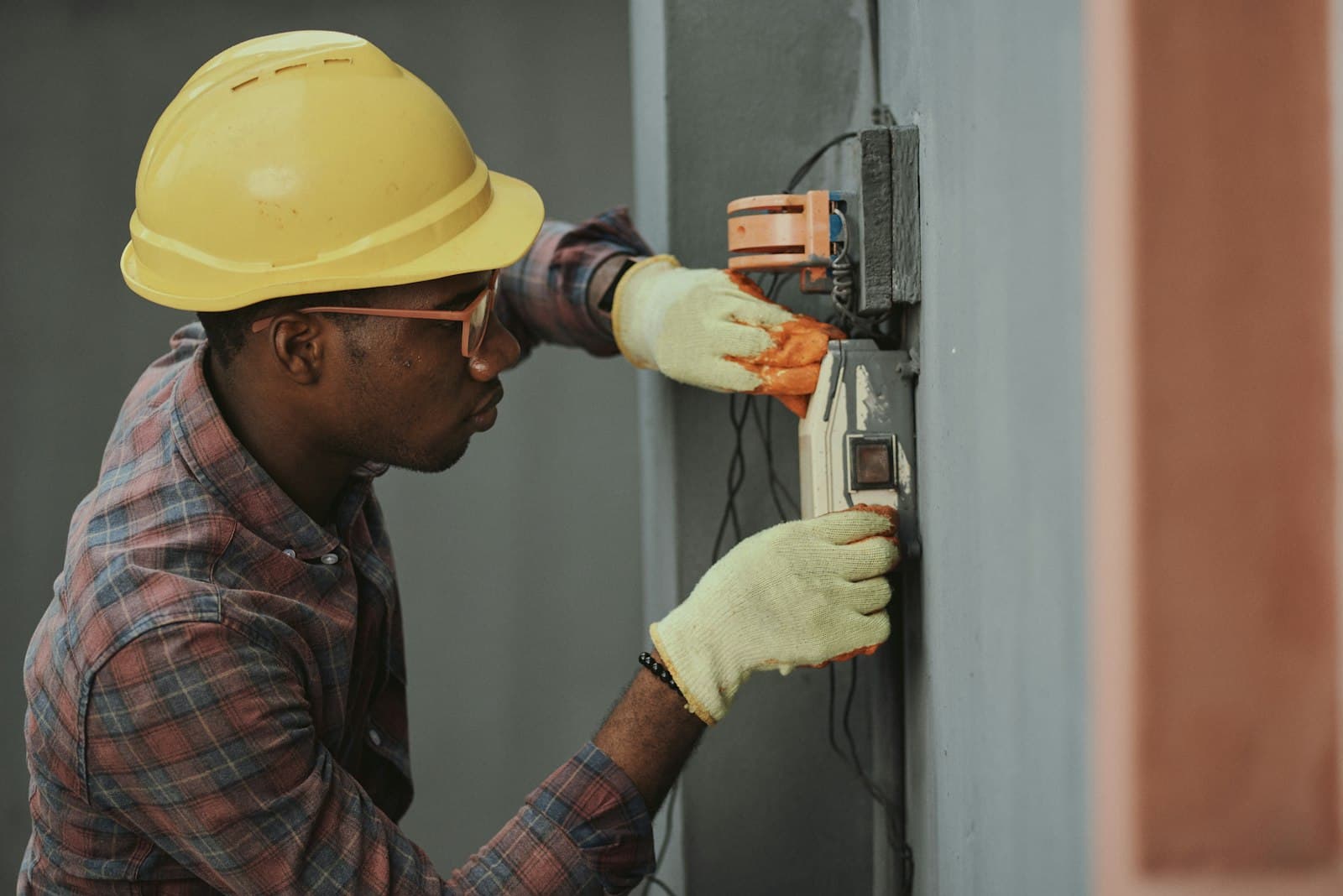
Battery Storage
Store solar energy for evenings and outages, sized from a clear calculation of the loads you want to support.

Solar Backup Systems
A solar backup system is designed to support selected appliances or essential circuits during power interruptions. It is usually smaller and simpler than a system built to power an entire property.
How it works
A backup system focuses on continuity for a defined set of loads. Typical examples are lighting, a router, a television, a fridge and security equipment. Those circuits are separated onto a dedicated board that the inverter supplies when the grid fails.
This differs from a system designed to power an entire property, which needs a much larger inverter, battery bank and solar array to handle high-draw appliances such as electric cookers, showers and water heaters. Being clear about the scope keeps the system appropriately sized and cost-effective.
Agree which appliances and circuits should stay on during an outage.
Essential circuits are wired to a dedicated board supplied by the inverter.
Solar panels, and the grid when available, keep the battery charged.
When grid supply drops, the inverter supplies the essential board from the battery and solar.
Use cases
Keeping laptops, routers and lighting available so work can continue during interruptions.
Supporting point-of-sale systems, lighting, CCTV and refrigeration.
Keeping alarms, gate motors, cameras and connectivity running.
Planning
Every recommendation follows a review of your energy use and a site assessment. These are the factors we look at.
Decide early whether you need selected-load backup or whole-property supply. The two differ significantly in size and cost.
Backup duration depends on battery capacity and what is switched on. Leaving high-draw appliances off the essential board extends it.
Solar panels allow the battery to recharge during the day, which matters during longer or repeated outages.
Choosing an inverter that can take more panels or batteries later gives you flexibility.
FAQs
A backup system supports a defined set of essential loads during outages. A full home system is designed to supply most or all of the property's demand, including high-draw appliances, which requires far more capacity.
Usually not on a backup-sized system. These appliances draw a lot of power. Including them would require a much larger inverter and battery.
Not strictly, as a battery can be charged from the grid. Solar panels allow recharging during the day, which helps during long or repeated outages and reduces grid use.
Related
Store solar energy for evenings and outages, sized from a clear calculation of the loads you want to support.
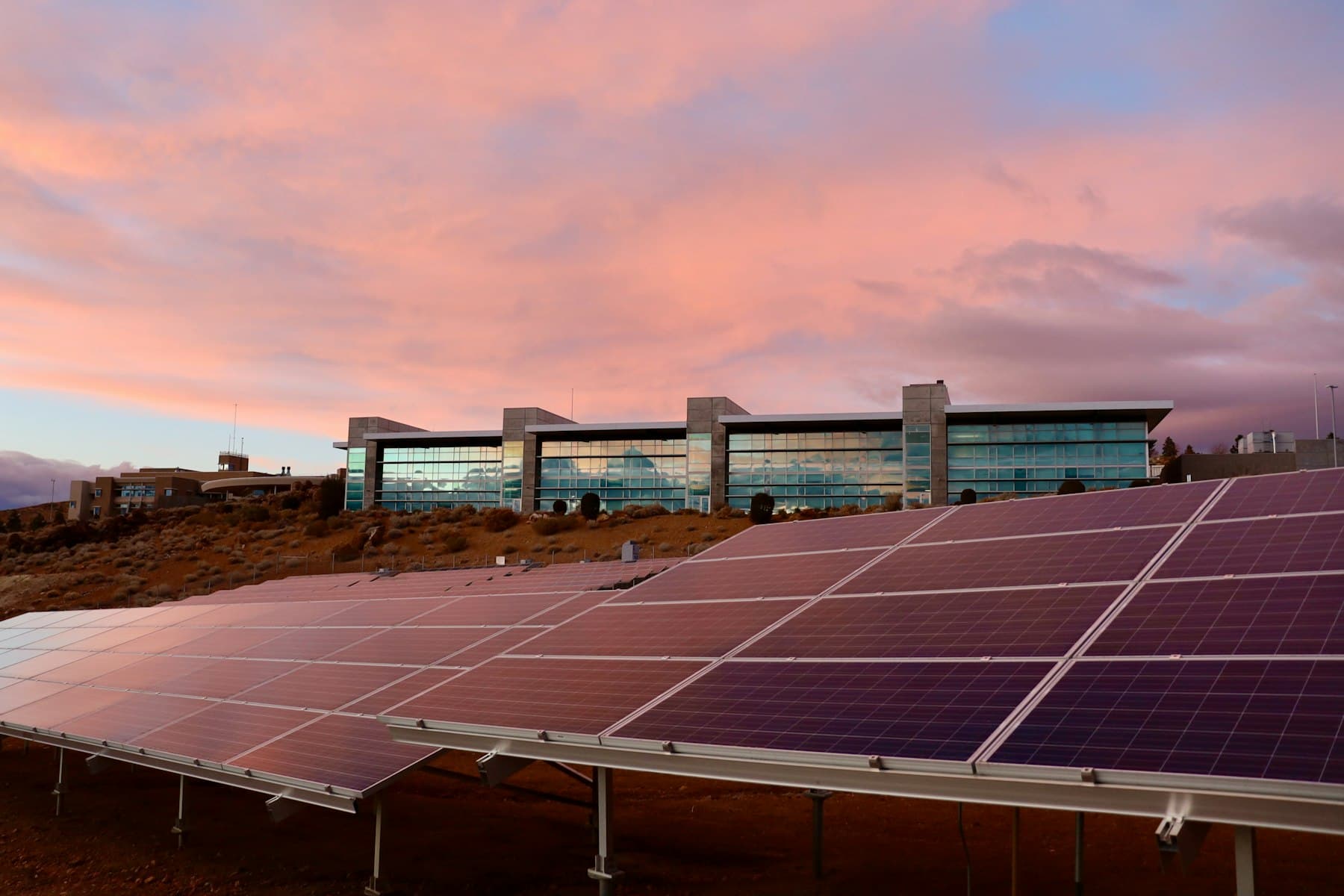
Solar, batteries and grid power working together, so you can use solar first and keep chosen loads running in outages.
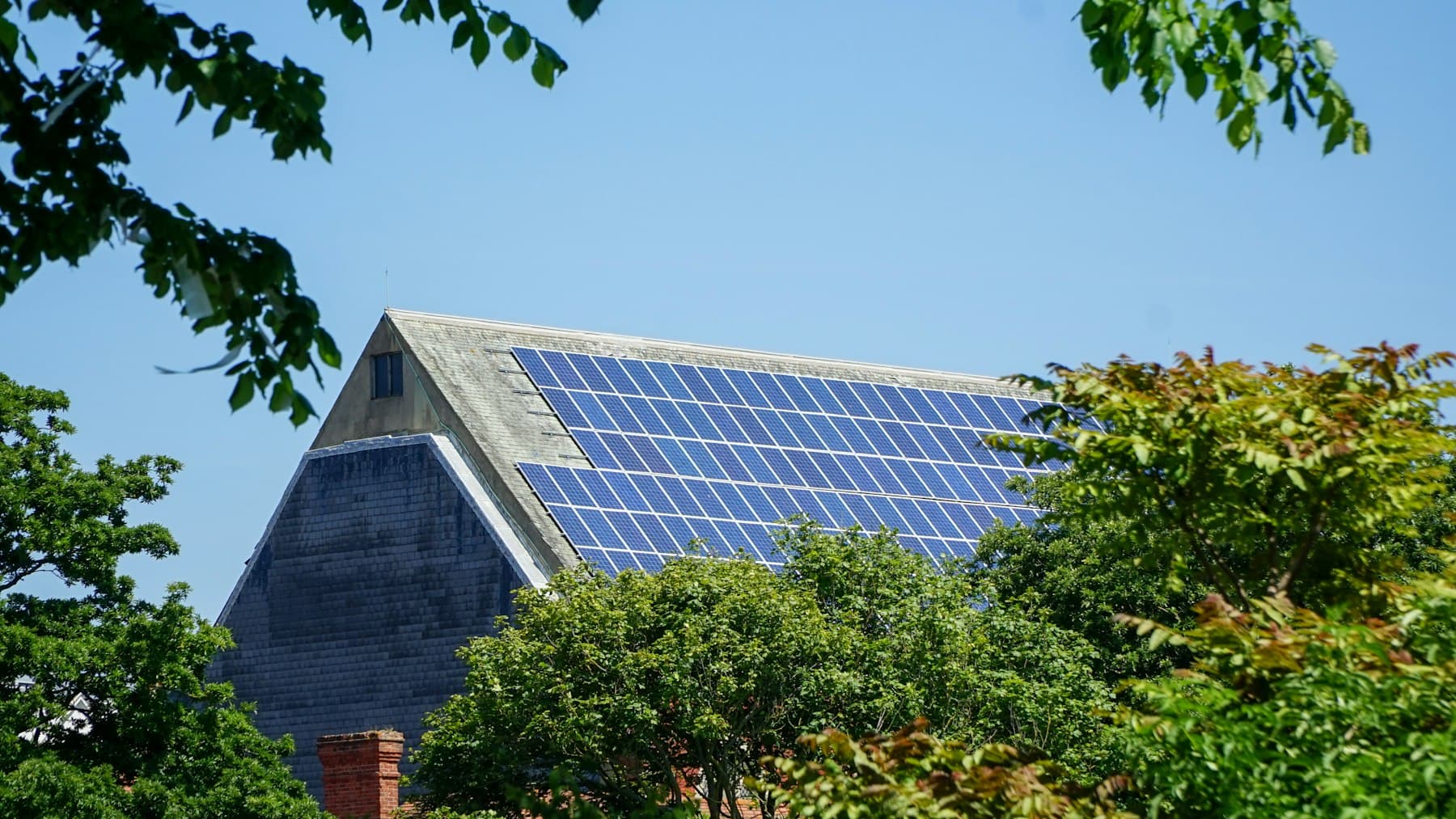
Rooftop solar for households, sized around how your family actually uses power, with battery storage as an option.
Share a few details about your property and energy needs. We’ll follow up to discuss options. A request is not a final quote or a booking.