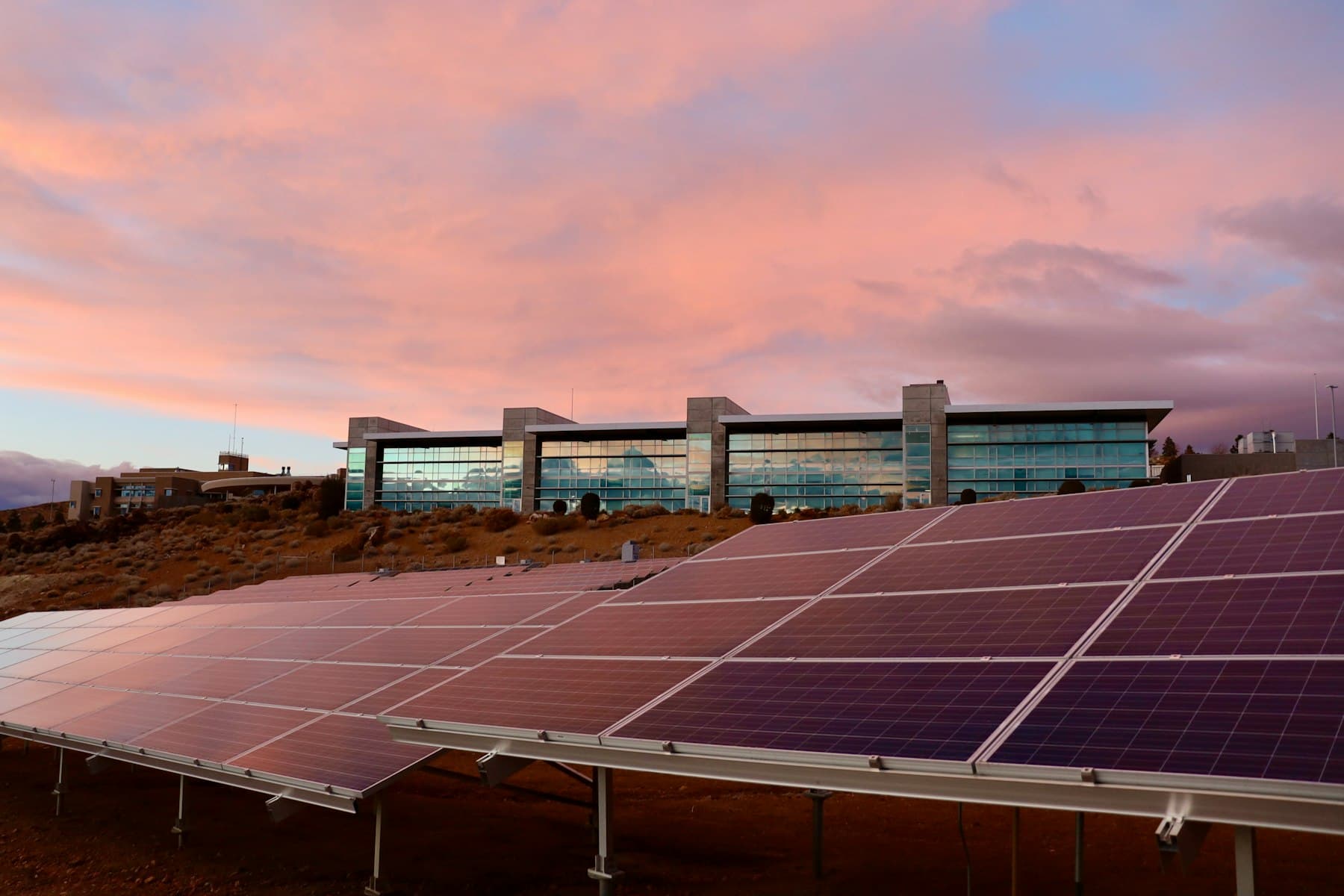
Hybrid Solar Systems
Solar, batteries and grid power working together, so you can use solar first and keep chosen loads running in outages.
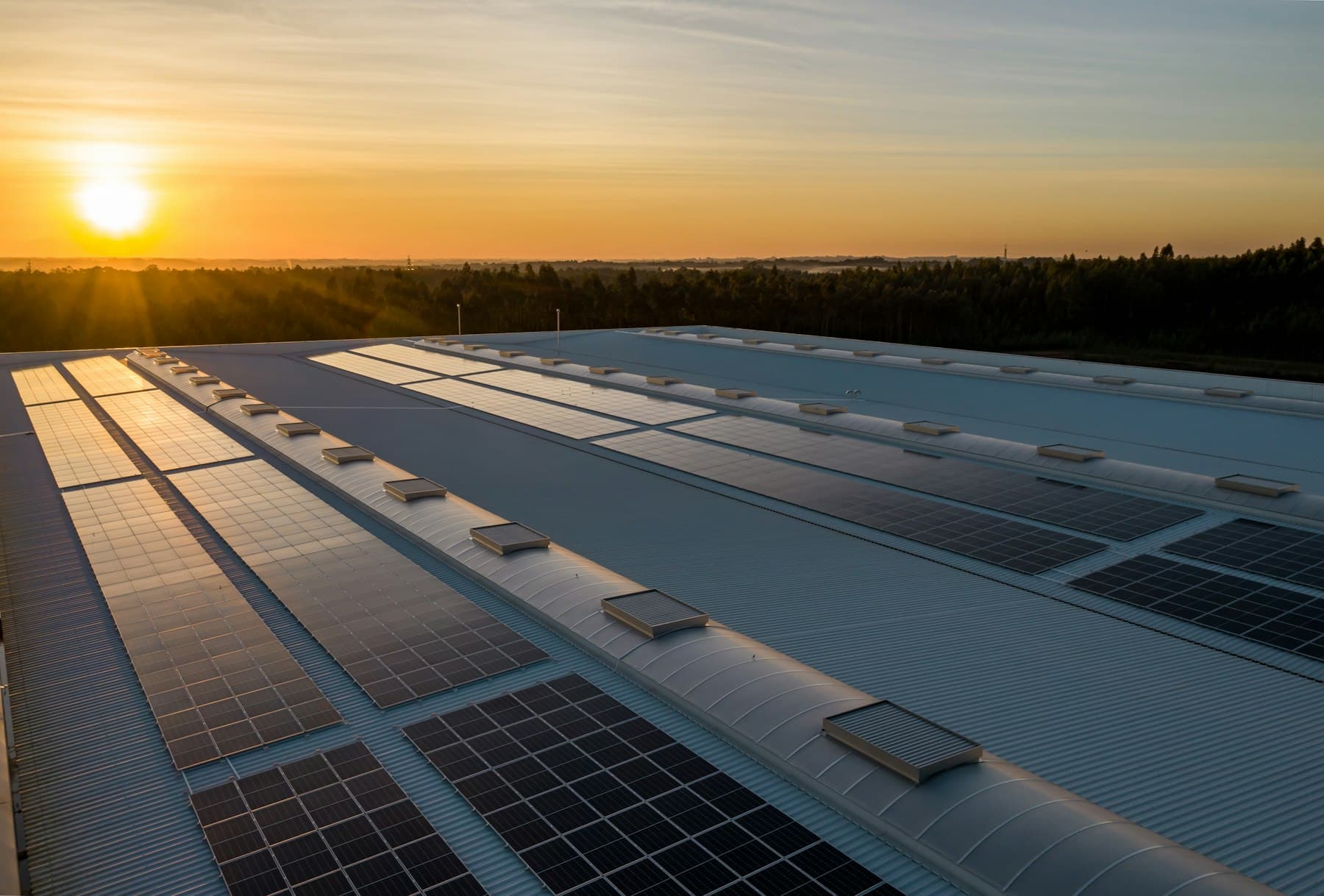
Commercial Solar
Many businesses use most of their electricity during daylight hours, which is when solar generates. A well-designed commercial system is based on your actual load profile, roof and site conditions, and financial priorities.
How it works
Commercial premises often have a closer match between energy use and solar generation than homes do, because operating hours tend to fall during the day. That alignment is a key factor in how much of the solar output a business can use directly.
The right configuration depends on your load profile: how much power you use, when you use it and how high your demand peaks are. We look at metering data or bills, equipment schedules and the condition and structure of your roof before recommending a system.
We review consumption data and operating patterns to see how energy use is spread across the day and the week.
The system is typically sized so that most solar output is used on site rather than wasted, based on your daytime baseload.
Commercial inverters work alongside your grid connection and existing distribution, with protection and isolation designed for the site.
Monitoring helps you see generation and consumption over time and spot issues early.
Use cases
Shops, restaurants and guest houses with refrigeration, lighting and cooling running through the day.
Premises with computers, air conditioning and equipment that operate during business hours.
Sites with machinery and pumps, where daytime production loads can be partly met by solar.
Planning
Every recommendation follows a review of your energy use and a site assessment. These are the factors we look at.
Flat and pitched roofs both work, but structural capacity, waterproofing and access need to be assessed before installation.
Short spikes from motors or compressors affect inverter sizing and may influence whether battery support or load management is useful.
If a site closes at weekends, generation on those days may not be used unless the design accounts for it.
Capital cost, expected bill reduction, maintenance and the business's planning horizon all affect whether a project makes financial sense. These are reviewed against your own figures.
FAQs
It depends on your consumption, your available roof or ground area and when you use power. Many commercial systems are designed to cover part of daytime demand rather than all of it. Your load profile determines what is realistic.
Most installation work happens on the roof and can be scheduled to limit disruption. Some short planned shutdowns are usually needed when the system is connected to your distribution board.
Compare the installed cost with a realistic estimate of bill reduction based on your tariff and consumption, net of maintenance. A proposal should show its assumptions so you can check them.
Related
Solar, batteries and grid power working together, so you can use solar first and keep chosen loads running in outages.
Store solar energy for evenings and outages, sized from a clear calculation of the loads you want to support.

Keep selected appliances and essential circuits running during outages, recharged by solar.
Share a few details about your property and energy needs. We’ll follow up to discuss options. A request is not a final quote or a booking.